 ★ 4.8 · 123 reviews
SentinelOne Singularity Cloud Security
AI-Native Cybersecurity Platform Built for Defenders.
About SentinelOne Singularity Cloud Security
SentinelOne Singularity Cloud Security is an AI-powered cloud native application protection platform (CNAPP) that provides comprehensive security for cloud environments. It offers real-time visibility across cloud workloads, containers, and identities, enabling organizations to detect and respond to threats at machine speed. The platform integrates with major cloud providers and uses behavioral AI to autonomously stop supply chain attacks, ransomware, and other advanced threats. It consolidates cloud security posture management (CSPM), cloud workload protection (CWPP), and cloud data security into a single unified platform, reducing tool sprawl and operational complexity. For AiDOOS, deployment is streamlined through guided onboarding, automated discovery of cloud assets, and integration with existing CI/CD pipelines. The platform's intuitive interface and AI-driven insights help security teams prioritize actionable risks and respond faster, enhancing overall security posture. SentinelOne's Singularity Cloud Security is recognized as a Leader and has received high ratings from customers and analysts alike, with 99% of users recommending the solution.
Challenges It Solves
- Fragmented security tools across cloud environments create visibility gaps and alert fatigue
- Manual threat detection and response are too slow for modern AI-driven attacks
- Security teams struggle to prioritize and respond to vulnerabilities across multi-cloud infrastructure
- Lack of automated remediation leads to higher risk of breaches and data loss
Screenshots
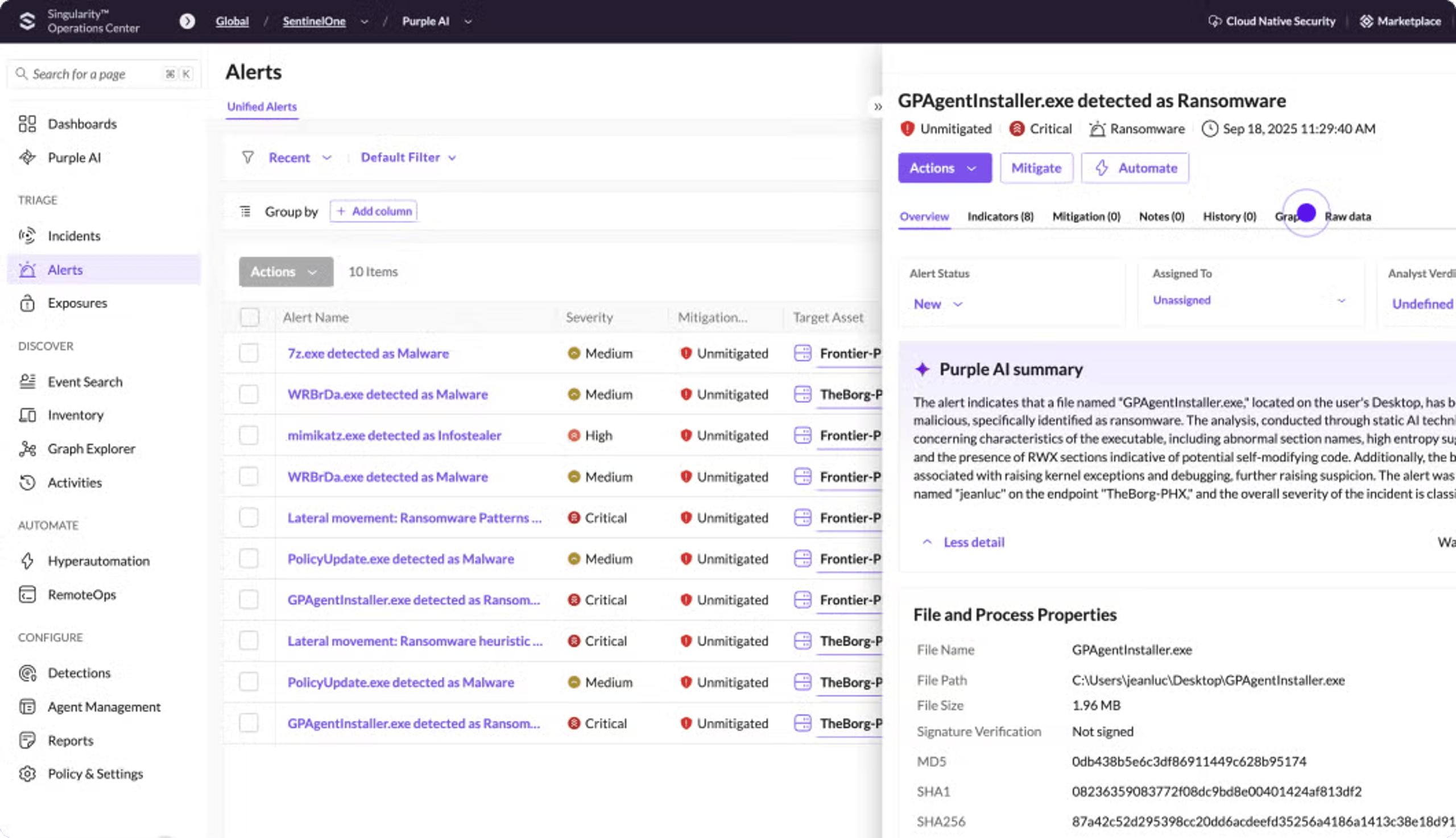
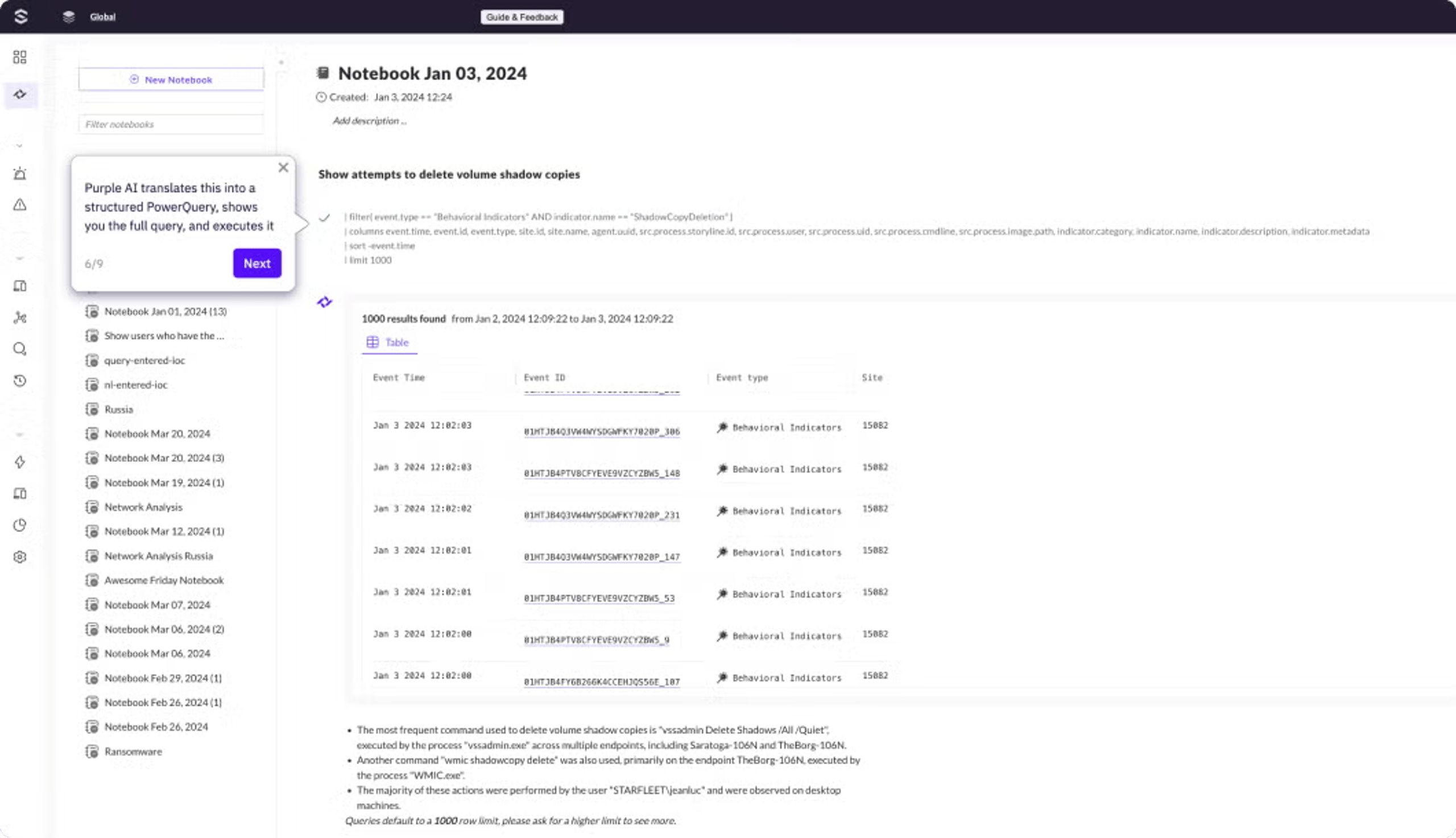
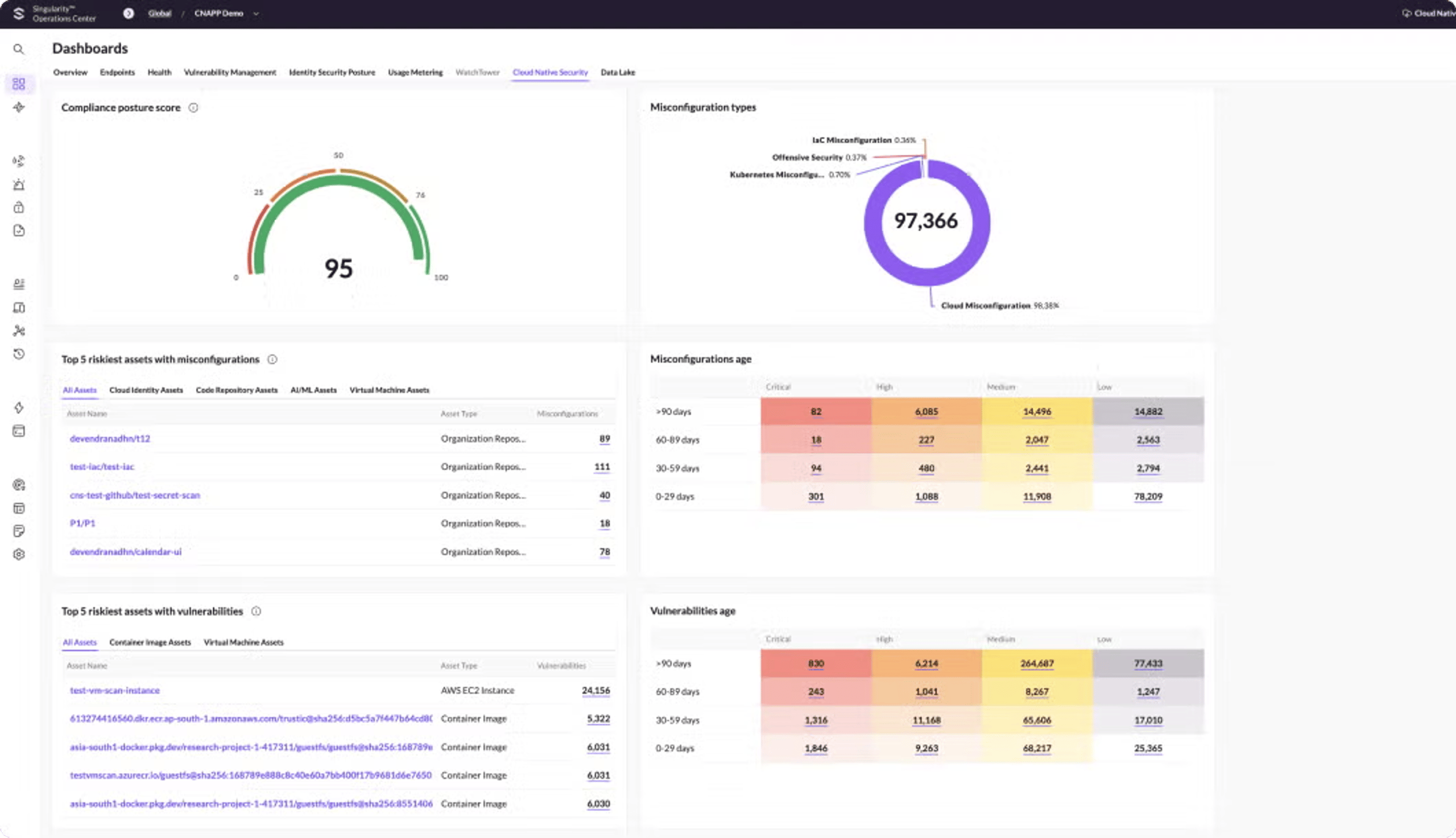

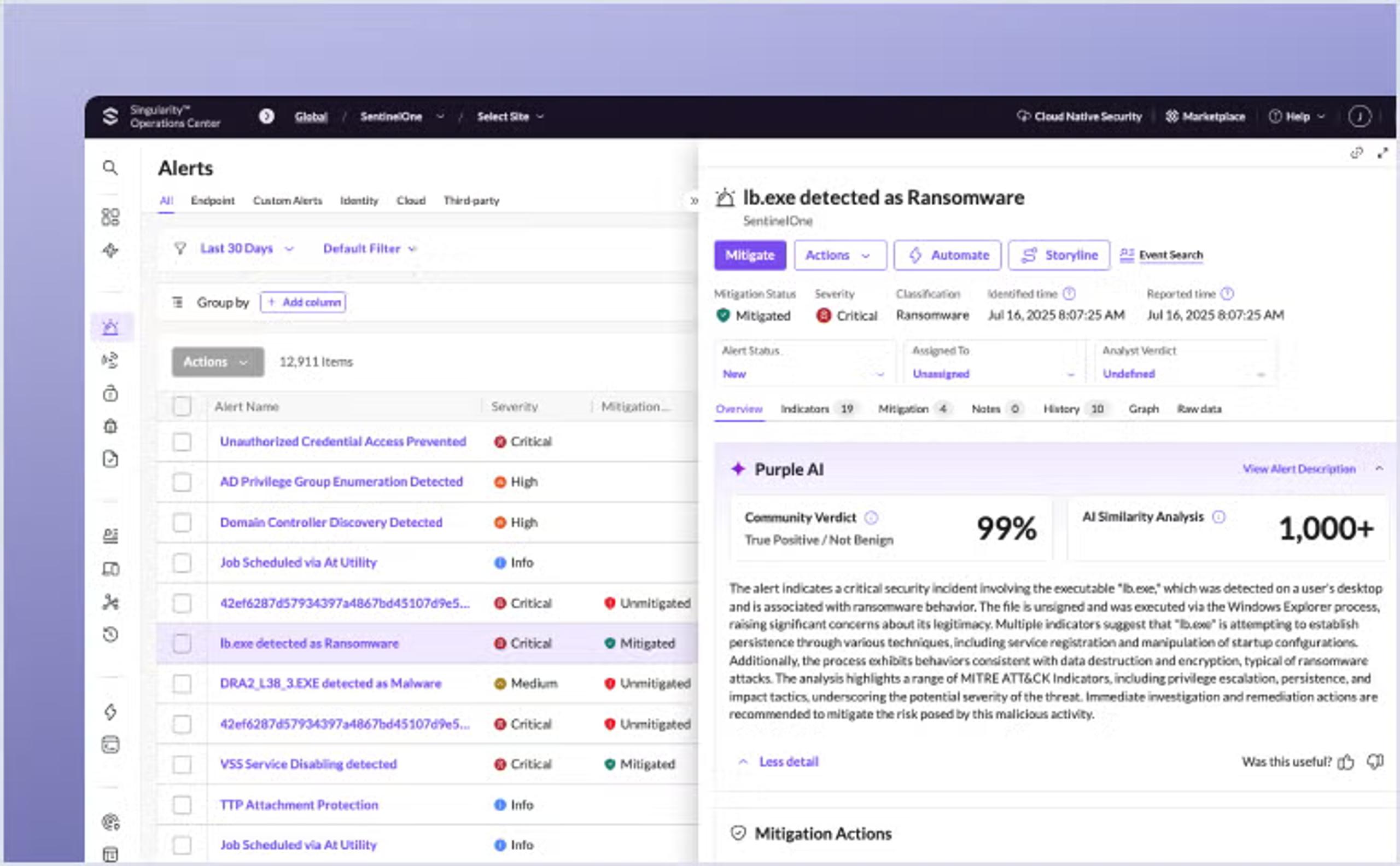
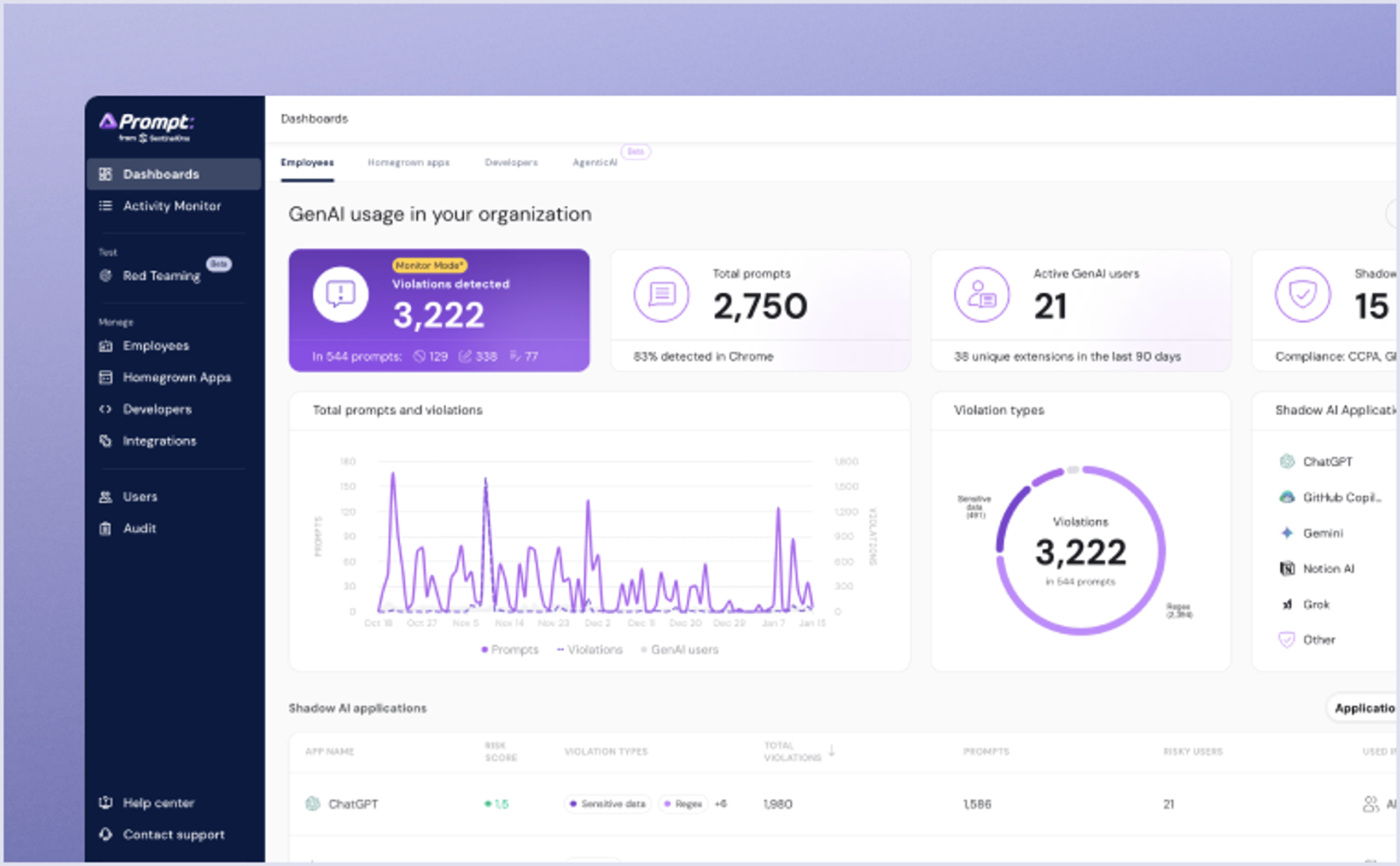
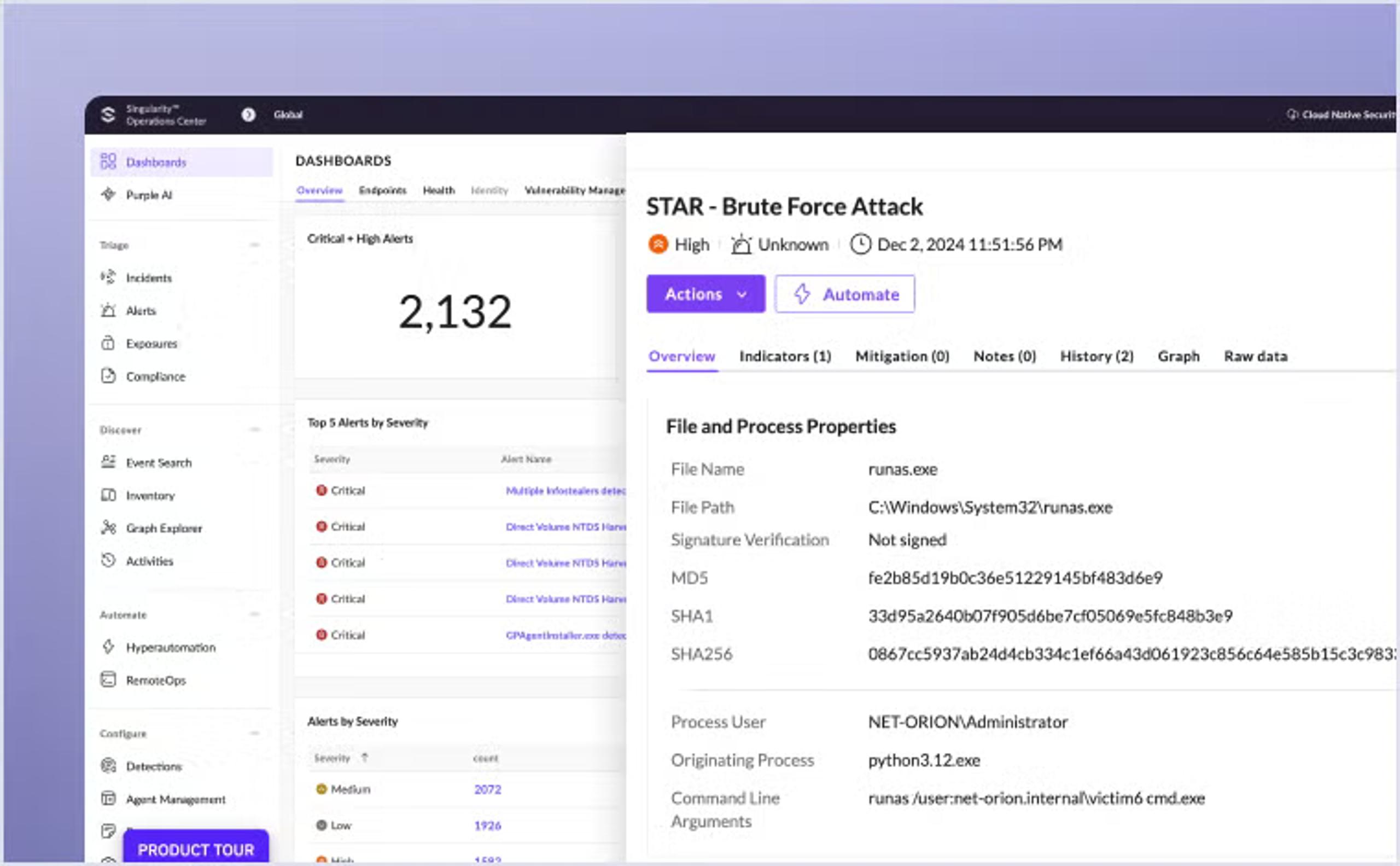
Use Cases
Cloud Compliance and Governance
Continuously monitor and enforce security policies across multi-cloud infrastructure to meet regulatory requirements.
Runtime Threat Detection for Cloud Workloads
Detect and stop threats in real time across servers, VMs, containers, and serverless functions using behavioral AI.
Data Security in Cloud Storage
Protect sensitive data stored in object storage with AI-powered anomaly detection and automated response.
Automated Incident Response
Use agentic AI to automatically triage alerts, investigate incidents, and execute response actions, freeing up analysts.
Pricing
Custom pricing — built for your team
SentinelOne Singularity Cloud Security pricing is tailored to your organisation's size, integrations, and requirements. AiDOOS generates your proposal instantly — scoped & ready in seconds.
Key Features
Continuously assess and remediate misconfigurations across your cloud infrastructure.
Real-time AI-powered runtime detection and response for cloud workloads, containers, and serverless.
AI-powered threat detection for hybrid cloud object storage like Amazon S3 and NetApp.
AI-driven automation that triages alerts, investigates incidents, and performs routine response actions.
Natural language security analyst to hunt threats, ask questions, and get AI-powered answers in seconds.
Single console for visibility, investigation, and action across all cloud security domains.
What Reviewers Say AI-synthesized from 123 reviews
What works well
- AI-powered real-time threat detection and response reduces response times
- Unified platform consolidates multiple security tools, reducing complexity
- High customer satisfaction with 99% recommending the product
- Strong integrations with major cloud providers and security ecosystems
Common concerns
- Initial setup can be complex and may require professional services for full deployment
- Advanced features may have a learning curve for security teams
Reviews
123 verified reviewsReviewer Demographics
Top Industries
No data available
Enterprise Readiness
Identity & Access
Data Security
SLA & Availability
Compliance & Portability
Integrations
Amazon Web Services (AWS)
Integration with AWS for cloud workload protection and security monitoring.
Microsoft Azure
Integration with Microsoft Azure for cloud security posture management and workload protection.
Google Cloud Platform (GCP)
Integration with Google Cloud for cloud security and threat detection.
Microsoft 365
Integration with Microsoft 365 for identity threat detection and response.
Slack
Send alerts and notifications to Slack channels for rapid response.
Microsoft Teams
Integration for sharing security alerts and collaborating on incidents within Teams.
PagerDuty
Integrate with PagerDuty for incident management and on-call alerting.
Splunk SOAR
Integration with Splunk SOAR for automated security operations and orchestration.
Governance & Compliance
EU AI Act
No data available
Right to Erasure
✓ Supported
Change Notifications
Notification within a reasonable timeframe for material changes.
NIST AI RMF
No data available
AiDOOS Managed Deployment
Deploy SentinelOne Singularity Cloud Security in 72 hours
AiDOOS handles setup, CRM integration, SSO config, and user provisioning. Your team goes live — not your IT department.
Prerequisites
- Active SentinelOne subscription and credentials
- Cloud provider accounts (AWS, Azure, or GCP)
- SSO/IAM configuration for role-based access
- Network access to SentinelOne APIs and endpoints
Configuration Options
- Configure cloud security posture management for multiple cloud providers.
- Define custom alert policies and threat response playbooks.
- Integrate with existing SIEM and SOAR systems.
- Set up automated incident containment and remediation workflows.
How SentinelOne Singularity Cloud Security Compares
| Product | AI & Analytics | Ease of Use | Enterprise Features | Pricing | Integrations | Mobile Experience | Quick Setup | Customer Support | Rating | Price/mo |
|---|---|---|---|---|---|---|---|---|---|---|
|
S
SentinelOne Singularity Cloud Security This product
|
Excellent | Good | Excellent | Fair | Good | Poor | Good | Good | ★ 4.8 | $Custom/user |
|
CF
CrowdStrike Falcon
|
Excellent | Excellent | Excellent | Fair | Excellent | Good | Excellent | Good | — | $Custom/user |
|
PN
Palo Alto Networks Prisma Cloud
|
Good | Fair | Excellent | Poor | Good | Fair | Fair | Good | — | $Custom/user |
|
AQ
Aqua Security
|
Good | Good | Good | Fair | Good | Fair | Good | Fair | — | $Custom/user |
A Virtual Delivery Center for SentinelOne Singularity Cloud Security
Pre-vetted experts and AI agents in the loop, assembled as a delivery pod. Pay in Delivery Units — universal pricing across roles, seniority, and tech stacks. No hiring, no contracting, no procurement cycle.
- Plans from $2,000 — Starter Pack, 10 Delivery Units, 90 days
- Refundable on unused Delivery Units, anytime — no questions asked
- Re-delivery guarantee on acceptance miss
- Pre-flight delivery sizing — you see the plan before you commit
How a Virtual Delivery Center delivers SentinelOne Singularity Cloud Security
Outcome-based delivery via AiDOOS’s VDC model. Why VDC vs traditional consulting? →
Outcome-Based
Pay for results, not hours
Milestone-Driven
Clear deliverables at each phase
Expert Network
Access to certified specialists