 · 0 reviews
Kaspersky Hybrid Cloud Security
Kaspersky Hybrid Cloud Security mitigates security risks inherent in cloud environments.
About Kaspersky Hybrid Cloud Security
Kaspersky Hybrid Cloud Security is a cloud workload protection platform designed to secure virtualized, cloud, and containerized environments. It mitigates security risks inherent in cloud environments, reduces virtualization resource consumption, increases infrastructure visibility, and supports compliance readiness. The solution integrates with existing workflows, providing agentless and agent-based protection for VMs, containers, and cloud instances. It leverages Kaspersky's threat intelligence and machine learning to detect advanced threats. For AiDOOS, this product enhances deployment and adoption by providing a unified security posture across hybrid cloud architectures. AiDOOS partners can leverage Kaspersky Hybrid Cloud Security to enable secure digital transformation, ensuring workloads are protected regardless of the underlying infrastructure. With centralized management and automated security policies, it reduces operational complexity and ensures consistent security. AiDOOS's deployment and adoption services streamline integration, accelerate time-to-value, and provide ongoing optimization to meet evolving security needs.
Challenges It Solves
- Mitigating security risks inherent in cloud environments
- Reducing virtualization resource consumption
- Increasing infrastructure visibility
- Supporting compliance readiness
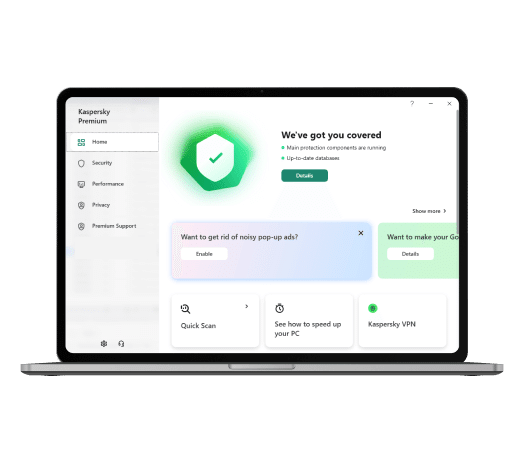
Screenshots

Use Cases
Hybrid Cloud Security
Protects workloads across on-premises, private, and public cloud environments.
Compliance Readiness
Provides security controls to help organizations meet regulatory requirements.
Containerized Environment Security
Secures containerized applications and infrastructure.
Pricing
Pricing available on request
Kaspersky Hybrid Cloud Security pricing is customized based on your team size, integrations, and requirements. AiDOOS will get you a scoped proposal — for free.
Key Features
Secures virtual machines without installing agents, minimizing resource usage.
Provides security for containerized environments as part of cloud workload protection.
Leverages Kaspersky's global threat intelligence to detect known and unknown threats.
Manage security policies and visibility through a single console.
Helps organizations meet regulatory requirements with security controls.
Reduces consumption of virtualization resources, improving performance.
What Reviewers Say
What works well
- Agentless protection reduces performance impact on virtual machines.
- Integrated with Kaspersky threat intelligence for advanced detection.
- Supports hybrid cloud environments, offering flexibility.
Common concerns
- Pricing is not publicly disclosed, making cost evaluation difficult.
- May require expertise to configure and manage in complex environments.
Reviews
Reviewer Demographics
Top Industries
No data available
Company Size
No data available
Enterprise Readiness
Identity & Access
Data Security
SLA & Availability
Compliance & Portability
Integrations
Microsoft Azure
Kaspersky Hybrid Cloud Security supports Microsoft Azure for protecting cloud workloads.
Amazon Web Services
Deploy and manage protection for workloads running on AWS.
VMware vSphere
Optimized antimalware protection for virtualized environments with 'Light Agent' technology.
Docker
Security for containerized environments, including scanning and runtime protection.
Kubernetes
Protection for Kubernetes clusters, ensuring security across container orchestration.
Splunk
Integration with Splunk for centralized logging and security event monitoring.
IBM QRadar
SIEM integration for advanced threat detection and response.
Microsoft Windows Server
Supports protection for Windows Server workloads in physical and virtual environments.
Governance & Compliance
EU AI Act
No data available
Data Processing Agreement
No data available
Sub-processors
No data available
Right to Erasure
No data available
Change Notifications
No data available
NIST AI RMF
No data available
AiDOOS Managed Deployment
Deploy Kaspersky Hybrid Cloud Security in 72 hours
AiDOOS handles setup, CRM integration, SSO config, and user provisioning. Your team goes live — not your IT department.
Prerequisites
- Cloud environment (AWS/Azure) or on-premises hypervisor
- Administrative access to workloads
- Network connectivity to Kaspersky Security Center
Configuration Options
- Deployment of agents to virtual machines
- Integration with SIEM systems
- Customized security policies
Common Setup Issues (& how AiDOOS handles them)
How Kaspersky Hybrid Cloud Security Compares
| Product | AI & Analytics | Ease of Use | Enterprise Features | Pricing | Integrations | Mobile Experience | Quick Setup | Customer Support | Rating | Price/mo |
|---|---|---|---|---|---|---|---|---|---|---|
|
K
Kaspersky Hybrid Cloud Security This product
|
Good | Good | Good | Fair | Good | Fair | Good | Good | — | $Custom/user |
|
TM
Trend Micro Cloud One
|
Excellent | Good | Excellent | Fair | Excellent | Fair | Good | Good | — | $Custom/user |
|
SY
Broadcom Symantec Cloud Workload Protection
|
Good | Fair | Good | Fair | Good | Fair | Fair | Fair | — | $Custom/user |
|
MD
Microsoft Defender for Cloud
|
Excellent | Excellent | Excellent | Good | Excellent | Good | Excellent | Excellent | — | $Custom/user |
A Virtual Delivery Center for Kaspersky Hybrid Cloud Security
Pre-vetted experts and AI agents in the loop, assembled as a delivery pod. Pay in Delivery Units — universal pricing across roles, seniority, and tech stacks. No hiring, no contracting, no procurement cycle.
- Plans from $2,000 — Starter Pack, 10 Delivery Units, 90 days
- Refundable on unused Delivery Units, anytime — no questions asked
- Re-delivery guarantee on acceptance miss
- Pre-flight delivery sizing — you see the plan before you commit
How a Virtual Delivery Center delivers Kaspersky Hybrid Cloud Security
Outcome-based delivery via AiDOOS’s VDC model. Why VDC vs traditional consulting? →
Outcome-Based
Pay for results, not hours
Milestone-Driven
Clear deliverables at each phase
Expert Network
Access to certified specialists