Pricing For Talent RAMP
Login Free Trial
Elasticsearch ★ 4.5 · 293 reviews
Schedule Meeting
Marketplace › Analytics Tools & Software › Elasticsearch  · Elasticsearch alternatives

Elasticsearch

Better retrieval. Better answers.

AiDOOS Verified SAAS Analytics Tools & Software
4.5 ★★★★☆ 293 reviews · 50% of the Fortune 500
Live in 72 hours 14-day free trial
Starting from
$95
per user / month
Schedule Meeting

14-day free trial · No credit card required

Category
Analytics Tools & Software
Deployment
Hybrid
API Access
Yes
AiDOOS Deploy
72 hours

About Elasticsearch

Elasticsearch is a distributed, open source search and analytics engine built on Apache Lucene. It is the core of the Elastic Stack, providing real-time search, analytics, and vector database capabilities. Organizations use Elasticsearch for full-text search, log and metric analytics, security information and event management (SIEM), and AI-powered applications. Elasticsearch supports hybrid retrieval (keyword and vector), robust aggregations, and geospatial queries, making it a versatile platform for building search-driven experiences. Its scalability and performance enable handling massive datasets with sub-second response times. Elasticsearch can be deployed on-premises, in the cloud via Elastic Cloud, or in hybrid environments. With the addition of Elastic Agent Builder and AI capabilities, it facilitates building context-aware agents and generative AI applications. On AiDOOS, Elasticsearch deployment is streamlined with automated provisioning, configuration, and scaling, enabling teams to leverage its power without operational overhead. AiDOOS provides managed infrastructure, monitoring, and support, ensuring high availability and cost-efficiency.

Challenges It Solves

  • Struggling to search and analyze large volumes of data quickly
  • Difficulty building AI-powered search applications with real-time context
  • Fragmented observability across logs, metrics, and traces
  • Scaling security operations with growing data and threats

Screenshots
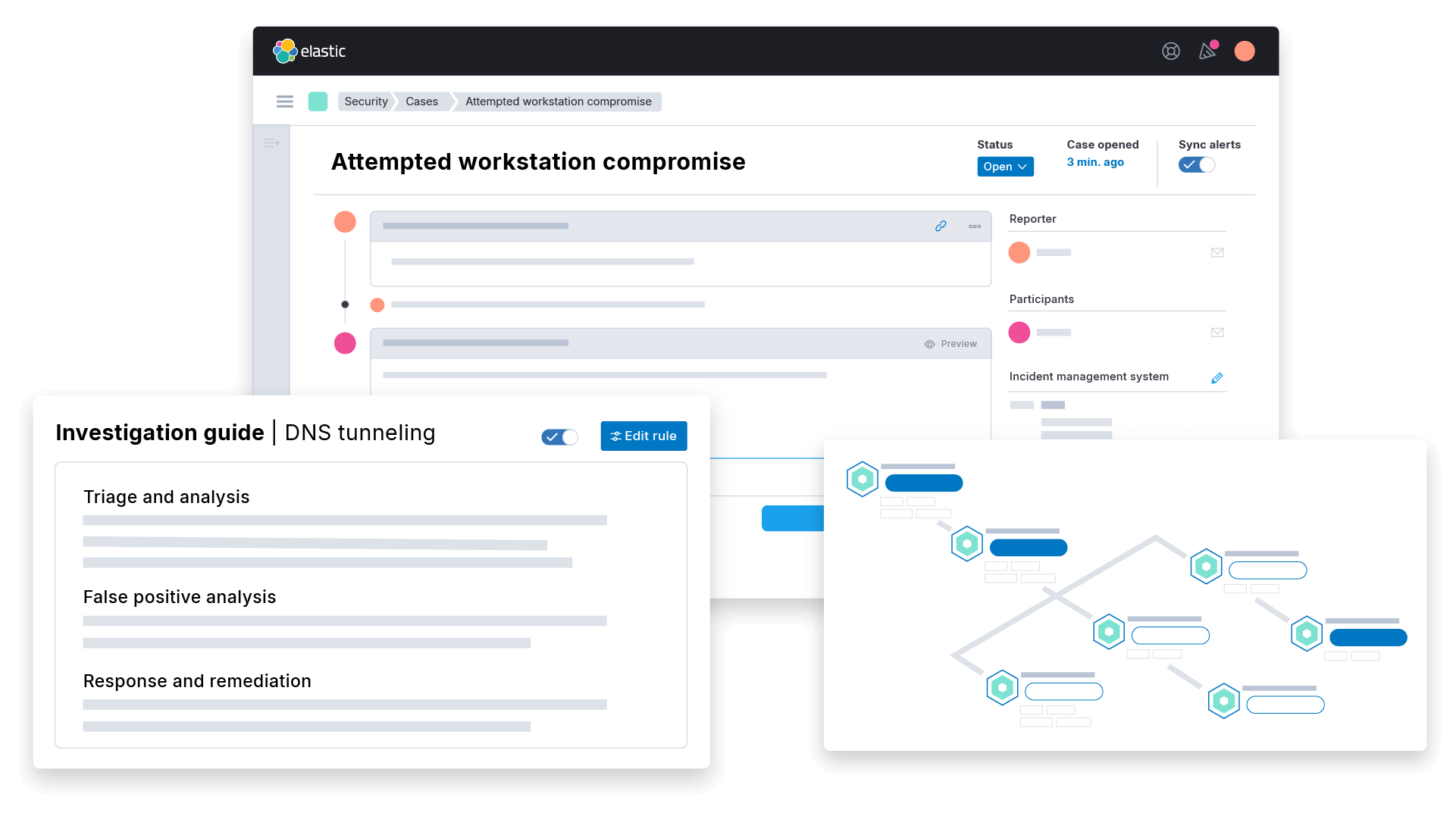
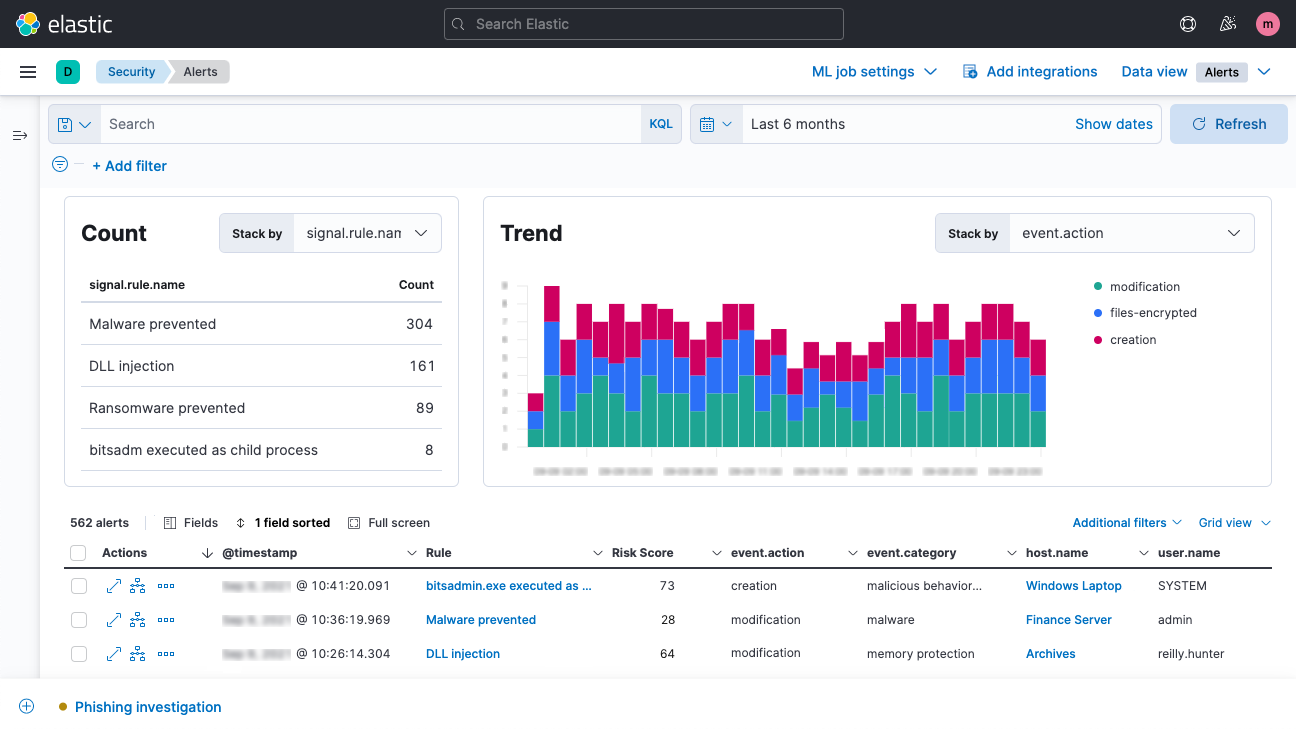
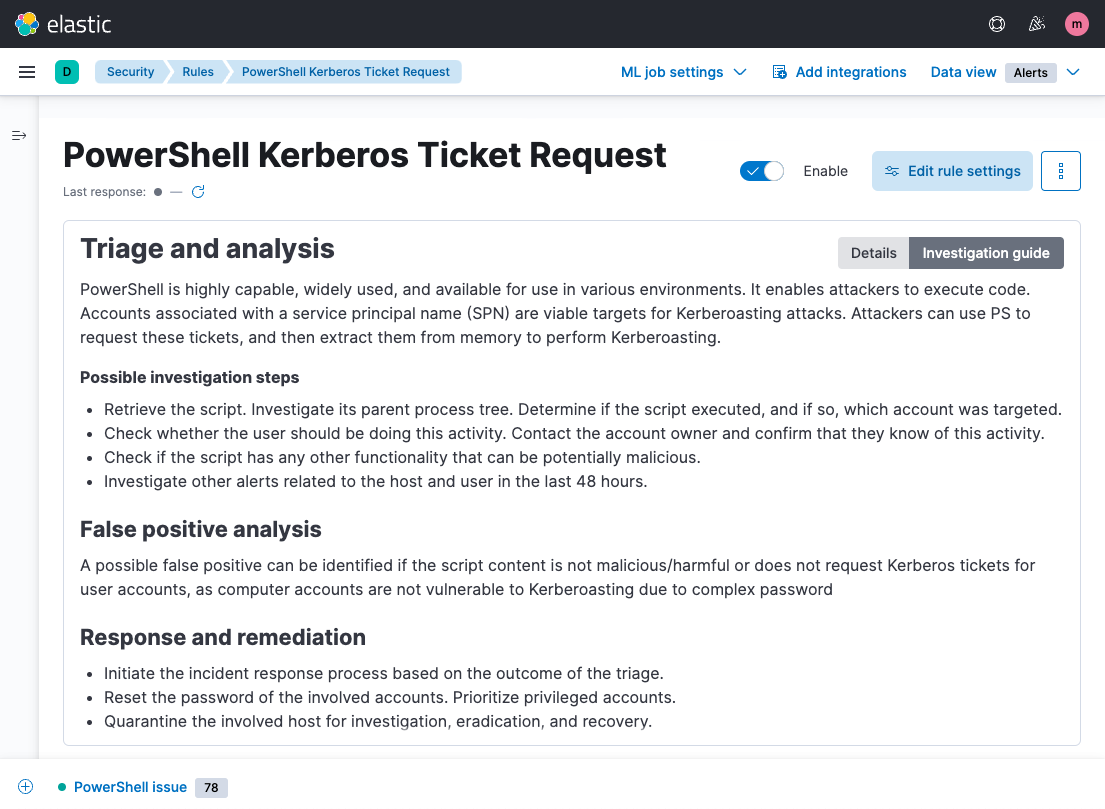
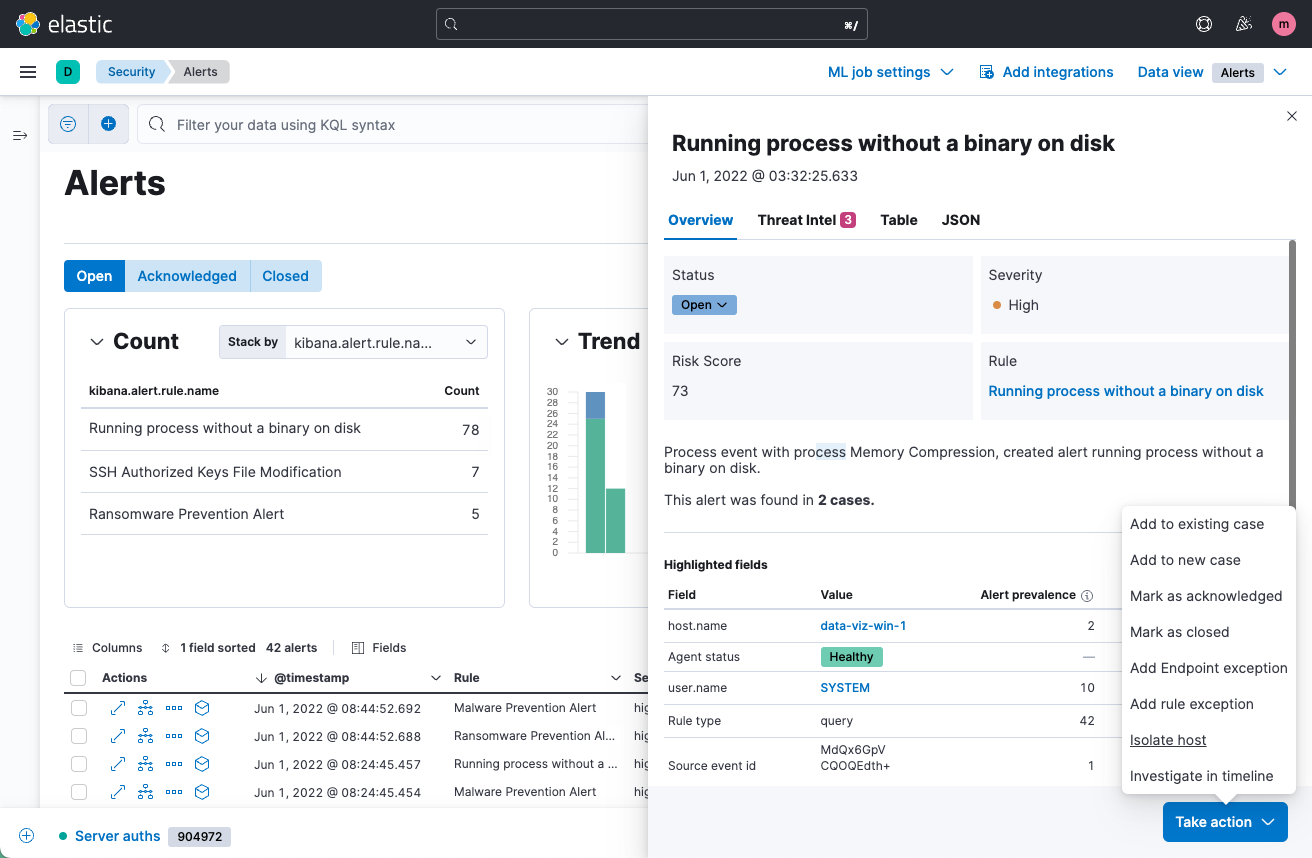
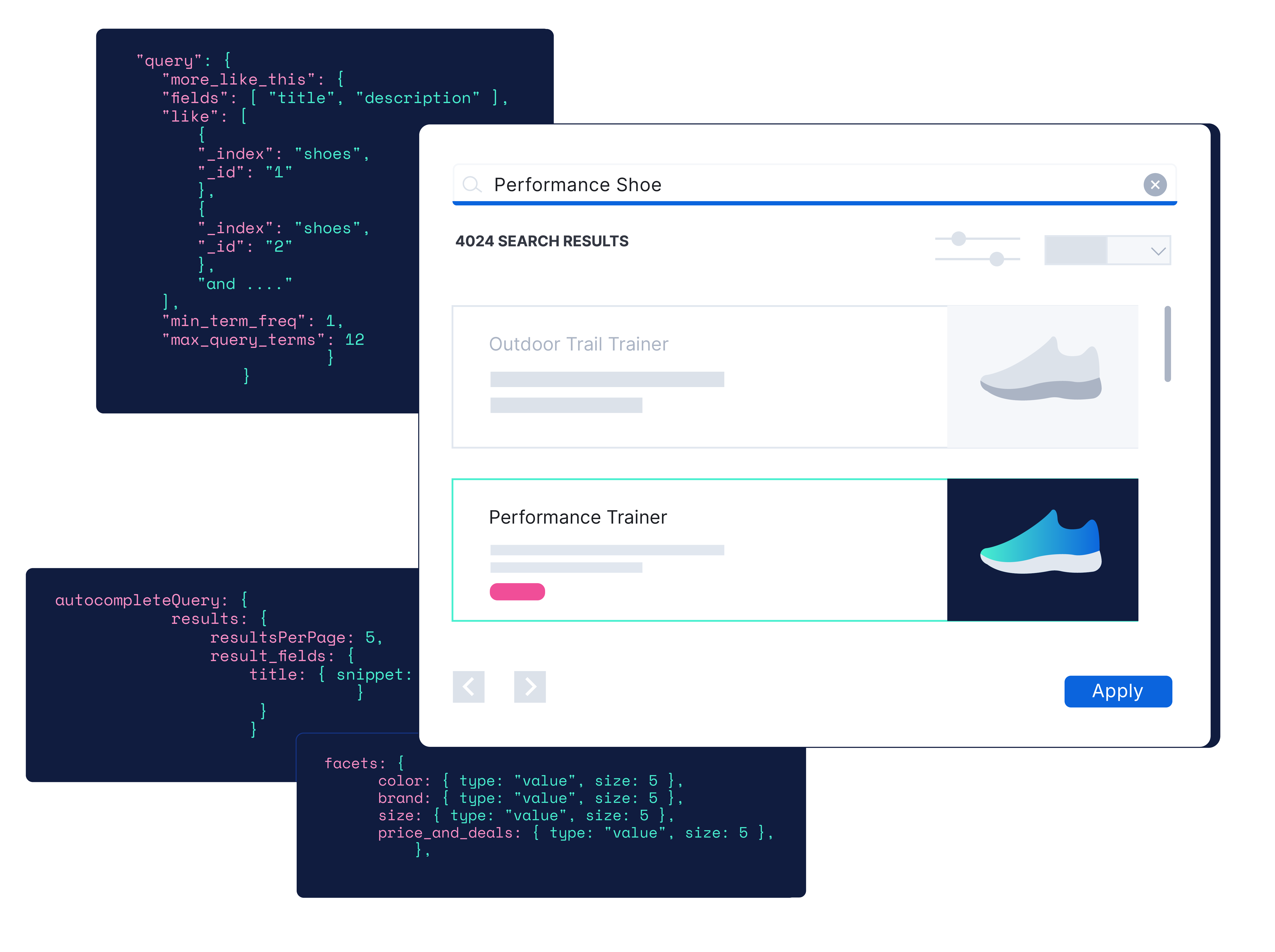
Elasticsearch screenshot 1
Elasticsearch screenshot 1 Elasticsearch screenshot 2 Elasticsearch screenshot 3 Elasticsearch screenshot 4 Elasticsearch screenshot 5 Elasticsearch screenshot 6 Elasticsearch screenshot 7 Elasticsearch screenshot 8

Use Cases

Enterprise Search

Power search experiences across websites, applications, and workplace content with relevance and personalization.

Observability

Monitor and troubleshoot applications and infrastructure using logs, metrics, and traces.

Security Analytics

Detect, investigate, and respond to cyber threats with SIEM and endpoint protection.

AI-Powered Search

Build generative AI applications with retrieval-augmented generation and vector search.

Pricing

Custom pricing — built for your team

Elasticsearch pricing is tailored to your organisation's size, integrations, and requirements. AiDOOS generates your proposal instantly — scoped & ready in seconds.

Elastic Cloud Self-Managed
Schedule a Meeting
14-day free trial available — No credit card required. Full access to all features.
💡 Pricing insight from reviewers: Elasticsearch offers a free open source version, while Elastic Cloud provides pay-as-you-go pricing based on resource consumption.

Key Features

Hybrid Search

Combine keyword and vector search for optimal relevance.

Vector Database

Store and search vector embeddings for AI and semantic search.

Observability

Unify logs, metrics, and traces with advanced analytics.

Security Analytics (SIEM)

Accelerate threat detection and response with AI-driven SIEM.

Agent Builder

Build AI agents with Elasticsearch context.

Elasticsearch Query Language (ES|QL)

Powerful and simple query language for exploring data.

What Reviewers Say AI-synthesized from 293 reviews

What works well

  • Highly scalable and fast search performance.
  • Flexible and open source, with strong community support.
  • Comprehensive platform integrating search, observability, and security.

Common concerns

  • Complexity in management and tuning for large clusters.
  • Licensing changes have caused confusion in the community.

Reviews

293 verified reviews
4.5
★★★★☆
out of 5 · 293 reviews
By segment
Enterprise70%
Mid-Market30%
S
Sr tech support
"User-Friendly and Excellent for Data Analysis"
One improvement I've noticed is that scaling now feels smoother when dealing with larger datasets. The newer dashboards also appear more responsive, and cloud setup seems easier than before. I appreciate how it handles logs from different sources without much extra configuration. Overall, it remains powerful and flexible for search and analytics. The only lingering issue is that indexing isn't always real-time; there's a slight delay before new events appear. Some cluster management aspects still feel complicated if you're not doing it regularly. A few UI parts could be cleaner, as I sometimes click around too much to find the right view. It's a really good tool compared to others like QRadar, and it's easy to implement, use, and set up—making it an excellent choice for analyzing events.
I
IT Asset Manager
"Simple Yet Mighty Search Tool"
This tool is easily configurable and highly customizable. We often discovered that user searches revealed content gaps that needed attention. Our analytics team directly benefited from the wealth of data we could extract. I have no complaints; I genuinely can't recall being disappointed with it. Swiftype is user-friendly, powerful, and reasonably priced while offering a top-tier solution. As we rapidly prototyped websites and conducted A/B tests, Swiftype kept us agile and provided the data we needed. Our clients were impressed with the speed and utility of Swiftype's site search.
S
Senior Solution Architect
"Robust and Scalable Search Solution"
What I appreciate most about Elasticsearch is its speed and flexibility. It efficiently handles large data volumes and makes searching extremely fast. It's also versatile enough for both search and analytics use cases. One downside is that it can become complex to manage as it grows, requiring careful planning and monitoring to avoid performance and stability issues. Licensing and pricing changes over time have also caused some uncertainty for users. Elasticsearch enables us to quickly search and analyze large amounts of data in one place, making it easier to find relevant information, monitor systems, and derive insights from logs or application data. This improves visibility and allows us to respond to issues faster and make better decisions.
D
Data Engineer
"Top-Notch NoSQL Database with Vector Search and AI Capabilities"
This is one of the best NoSQL databases available. It simplifies collecting logs from diverse sources and defining integrations for them. It offers a comprehensive suite of features including vector search, machine learning, alerting, and much more. What I dislike are the breaking changes that come with version upgrades, which have significant impacts when multiple teams rely on the deployment. We gather telecom metrics from around 1,000 servers, which facilitates error searching and debugging, KPI creation, and setting up rules and alerts based on that data. As a result, it reduces manual effort and integrates easily with other systems. The best aspect is Elasticsearch's versatility—it serves as a single monitoring point for our entire telecom stack.
D
Devops engineer
"Data Management Made Simple, but Upgrading Is Tricky"
Managing data in Elasticsearch is straightforward compared to other databases, as it avoids the tedious re-indexing and maintenance they require. Setting up an ILM policy allows it to handle growth automatically, and I particularly like managing hot, warm, and cold phases based on data needs. The ability to define data movement between tiers and store historical data in searchable snapshots is my favorite feature. Also, initial setup was easy, which is a big advantage. However, upgrading Elasticsearch between versions is always problematic; rolling upgrades don't allow jumping two versions, and certain versions have restrictions on indices created in earlier versions. I use Elasticsearch for rapid search and data archival, storing trading data for seven years. Managing it is easy with ILM, enabling efficient data tier management without constant re-indexing.
V
Verified Reviewer
"Swift, Tailorable Search with Excellent Community Support"
I use Elasticsearch to develop search products for websites, and I value the fast, highly customizable search experience it offers. It effectively addresses indexing and search speed challenges, and the ability to deeply customize search while incorporating AI is very advantageous. The supportive community around Elasticsearch is invaluable; there's ample help when building with it, and the thorough documentation simplifies things. Technical support is accessible when needed. I also appreciate events like ElasticON, which are free and educational. Additionally, initial setup was a breeze thanks to excellent documentation. Sometimes, the Elastic Cloud 'PaaS' experience demands more hands-on effort than expected; we have to delve into areas we didn't anticipate to investigate and fix issues. We assumed it would be fully managed by Elastic, but it's not entirely hands-off. I use Elasticsearch to build search products, delivering fast, customizable search and leveraging AI to enhance the search experience.
S
Senior Engineer
"Consolidates Multi-Platform Data with Powerful Log Search"
Elasticsearch aggregates information from various platforms, offering a unified search view and efficient searching across massive log data. So far, we haven't utilized many advanced features. When we need a specific function, we have to research the approach and look for case studies in the community. Additionally, there aren't many examples or references easily available for integrating Elasticsearch with third-party applications like Oracle DB or Fortigate Firewall. For internal telecom use, operators typically have numerous IoT devices and applications such as switches, routers, servers, VMs, generating many log files. The inventory is vast and complex. We've leveraged Elasticsearch to create a consolidated view for recording and searching device logs. Moreover, we've set up alarm mechanisms based on known behaviors or thresholds for potential faults, triggering support teams for quick troubleshooting. In summary, it helps with inventory, reporting, monitoring, and troubleshooting.
S
Sr. Software Developer
"Exceptional Speed and Near-Real-Time Search with Elasticsearch"
Elasticsearch provides outstanding search speed and robust performance, even with enormous datasets. Its near real-time search combined with powerful full-text search makes it a cornerstone of our data infrastructure. However, Elasticsearch can be heavy on resources, especially RAM. For smaller setups, managing JVM heap sizes and ensuring adequate cluster memory can quickly turn into a challenge. Elasticsearch tackles the issue of searching through vast amounts of unstructured data that traditional SQL databases handle poorly. It offers a highly scalable, distributed environment that guarantees fast retrieval. This has helped me by significantly lowering latency in our application's search functionality and providing potent analytical tools through its aggregation framework. It enables real-time log monitoring and delivers a smooth, Google-like search experience to our users.
M
Mid-Market (51-1000 emp.)
"Rapid, Scalable Elasticsearch for Real-Time Security Operations"
Elasticsearch excels in speed, scalability, and powerful search capabilities. I particularly value how effortlessly it ingests and correlates large volumes of security and operational data. KQL, the Query DSL, and Kibana offer great flexibility for investigations and visualizations. Overall, it's highly effective for real-time security monitoring, threat hunting, alerting, and crafting custom dashboards. The main downside is the complexity involved in managing and tuning Elasticsearch at scale. Tasks such as index management, shard sizing, mappings, retention policies, and controlling resource usage often demand considerable expertise. Kibana setup and configuring detection rules can also become complicated, especially in large environments with high event volumes. Additionally, licensing costs for advanced security and observability features might be a significant factor for organizations with large deployments. Elasticsearch helps us centralize and analyze large volumes of security and operational data from endpoints, servers, network devices, and applications. With real-time search, dashboards, and automated detection rules, it accelerates alert investigation, threat hunting, log correlation, and detection of suspicious activity. In summary, it has greatly improved our SOC visibility and incident response, reduced investigation time, and made it simpler to identify patterns and potential threats across our environment.
S
Senior Security Analyst
"User-Friendly Interface, Great Integrations, and Top-Notch Speed"
The interface and user experience are clean and straightforward, making it easy for newcomers to use Elasticsearch. It comes with built-in integrations that work well with a wide range of products. I've relied on it for over four years, and its performance for data analysis outshines other solutions I've tried. I've never encountered any problems with it. With Elasticsearch, we've been able to consolidate all our logs into a single location, and the search speed is remarkably fast—even when querying billions of documents, responses are quick. We pair it with Kibana for visualizations, which lets our team spot anomalies or error spikes much faster than before. Scalability is also excellent; adding nodes causes minimal downtime, and the cluster automatically handles shard distribution. For our log monitoring use case, this is invaluable because our log volume expands every month.

Reviewer Demographics

Top Industries

No data available

Enterprise Readiness

ISO 27001
SOC 2 Type II
GDPR

Identity & Access

SSO Okta, Azure AD, Google Workspace, Ping Identity
RBAC Fine-grained roles and permissions at index, document, field level
Audit Logs

Data Security

At restAES-256
In transitTLS 1.2+
Key mgmtVendor-managed

SLA & Availability

Uptime SLA99.9%
RPO
RTO
Pen test

Compliance & Portability

Data residencyAWS, GCP, Azure, Private regions
Data export JSON, CSV
Right to erasure✓ Supported

Integrations

450+ one-click integrations across clouds, CI/CD, databases, and more total apps

AWS

Integrate with Amazon Web Services for data ingestion, monitoring, and deployment.

Native < 1 hour ⚡ AiDOOS Pre-wired

Kubernetes

Monitor and observe Kubernetes clusters with Elastic Observability.

Native 1-2 hours ⚡ AiDOOS Pre-wired

OpenTelemetry

Ingest telemetry data using OpenTelemetry for unified observability.

Native < 1 hour ⚡ AiDOOS Pre-wired

Jina AI

Use Jina AI models for multilingual and multimodal embeddings.

Third_Party 1-2 hours

Logstash

Collect, transform, and ship data with Logstash.

Native < 1 hour ⚡ AiDOOS Pre-wired

Beats

Lightweight data shippers for various data sources.

Native < 1 hour ⚡ AiDOOS Pre-wired

Kafka

Stream data from Apache Kafka for real-time indexing.

Third_Party 1-2 hours

Slack

Receive alerts and notifications in Slack channels.

Third_Party < 1 hour

Governance & Compliance

EU AI Act

No data available

Data Processing Agreement

Data Processing Addendum DPA available

View DPA →

Sub-processors

Fully disclosed

View list →

Right to Erasure

✓ Supported

Change Notifications

Elastic provides notice of changes to security and privacy practices.

NIST AI RMF

No data available

AiDOOS Managed Deployment

Deploy Elasticsearch in 72 hours

AiDOOS handles setup, CRM integration, SSO config, and user provisioning. Your team goes live — not your IT department.

12
Deployments
94%
Adoption rate
4.8/5
Post-deploy sat.
2-4 weeks
Time to value

Prerequisites

  • Active Elastic Cloud subscription or on-prem setup
  • Cluster credentials and network access
  • Data source configurations if needed

Configuration Options

  • Deployment on Elastic Cloud (AWS, GCP, Azure)
  • Self-managed on-premises
  • Integrations with existing data pipelines
  • Custom index settings and mappings

How Elasticsearch Compares

Product AI & Analytics Ease of Use Enterprise Features Pricing Integrations Mobile Experience Quick Setup Customer Support Rating Price/mo
Elasticsearch This product
Excellent Fair Excellent Good Excellent Fair Good Good ★ 4.5 $95/user
Splunk
Excellent Fair Excellent Poor Excellent Good Fair Good $Custom/user
OpenSearch
Good Fair Good Excellent Good Fair Good Fair $Custom/user
MongoDB Atlas Search
Good Good Good Good Good Fair Good Good $Custom/user
Virtual Delivery Center · A new delivery category

A Virtual Delivery Center for Elasticsearch

Pre-vetted experts and AI agents in the loop, assembled as a delivery pod. Pay in Delivery Units — universal pricing across roles, seniority, and tech stacks. No hiring, no contracting, no procurement cycle.

  • Plans from $2,000 — Starter Pack, 10 Delivery Units, 90 days
  • Refundable on unused Delivery Units, anytime — no questions asked
  • Re-delivery guarantee on acceptance miss
  • Pre-flight delivery sizing — you see the plan before you commit

How a Virtual Delivery Center delivers Elasticsearch

Outcome-based delivery via AiDOOS’s VDC model.  Why VDC vs traditional consulting? →

Outcome-Based

Pay for results, not hours

Milestone-Driven

Clear deliverables at each phase

Expert Network

Access to certified specialists

Implementation Timeline

1
Discover
Requirements & assessment
2
Integrate
Setup & data migration
3
Validate
Testing & security audit
4
Rollout
Deployment & training
5
Optimize
Performance tuning
Schedule a Meeting

Frequently Asked Questions

Is Elasticsearch open source?
Yes, Elasticsearch and Kibana are open source under the AGPL license, built on Apache Lucene. This license ensures security, extensibility, and community-driven progress.
Does Elasticsearch support vector search?
Yes, Elasticsearch includes a scalable vector database and supports semantic search and hybrid retrieval with reciprocal rank fusion (RRF).
What deployment options does Elasticsearch offer?
Elasticsearch can be deployed as a fully managed cloud service on AWS, GCP, or Azure, or self-managed on-premises. There's also a serverless option.
How does Elasticsearch handle security?
Elasticsearch provides role-based access control, encryption at rest and in transit, audit logging, and supports SSO with various identity providers.
Can AiDOOS help with Elasticsearch deployment?
Yes, AiDOOS offers a verified deployment package for Elasticsearch, including pre-wired integrations, configuration, and time-to-value in 2-4 weeks.
What is Elastic's pricing model?
Elastic Cloud uses a resource-based pricing model where you pay for what you use. There is a free tier and a 14-day free trial.

Quick Stats

★ 4.5
Rating
12
Deployments
72 hours
Live in
99.9%
Uptime SLA
Deployment Complexity
Moderate (3/5)
Schedule a Meeting

Vendor

Elastic
Founded 2012 · 5001-10000 employees · San Francisco, CA
Verified Vendor

Get an Instant Proposal

You'll get a structured implementation plan — scope, timeline, and cost — in seconds.