 ★ 4.3 · 91 reviews
Check Point WAF (formerly CloudGuard WAF)
Industry-leading web application security and threat prevention
About Check Point WAF (formerly CloudGuard WAF)
Check Point WAF (formerly CloudGuard WAF) is a cloud-native web application firewall that provides comprehensive protection for web applications and APIs against a wide range of threats, including OWASP Top 10 attacks, SQL injection, cross-site scripting, and automated bot attacks. Leveraging Check Point's ThreatCloud AI and 50+ AI engines, the WAF delivers real-time threat intelligence and automated policy updates to ensure robust defense. It integrates seamlessly with leading cloud platforms and CI/CD pipelines, offering unified security management across hybrid and multi-cloud environments. For organizations deploying Check Point WAF, AiDOOS enhances adoption and deployment by providing expert guidance, streamlined integration, and proactive monitoring, ensuring that security policies are optimally configured and aligned with business objectives. With a strong emphasis on prevention and ease of management, Check Point WAF helps security teams reduce risk, maintain compliance, and protect their digital assets with confidence.
Challenges It Solves
- Protecting web applications from sophisticated cyber attacks
- Preventing data breaches and sensitive data leakage
- Automating security policy management across hybrid cloud environments
- Reducing false positives and operational overhead for security teams
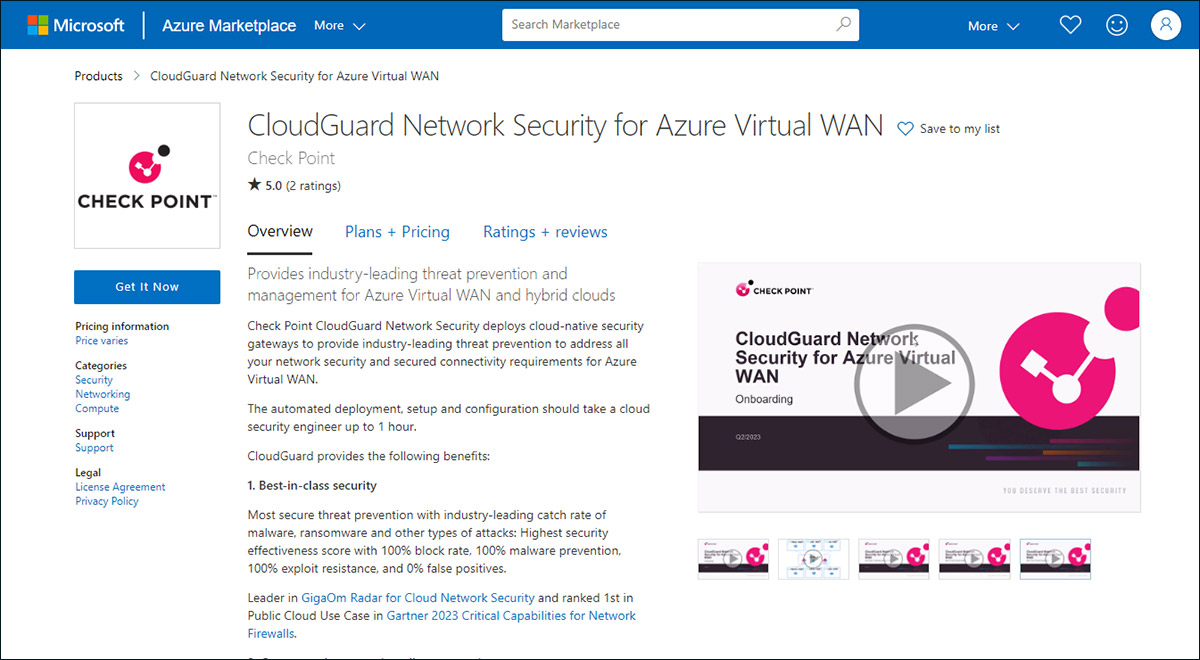
Screenshots




Use Cases
Web Application Protection
Safeguard critical web applications from OWASP Top 10 risks, zero-day exploits, and other online threats.
API Security and Compliance
Secure APIs against unauthorized access, data breaches, and compliance violations.
Hybrid and Multi-Cloud Security
Extend consistent security policies across on-premises, private, and public cloud environments.
DevSecOps Integration
Incorporate security early in the software development lifecycle to reduce vulnerabilities.
Pricing
Custom pricing — built for your team
Check Point WAF (formerly CloudGuard WAF) pricing is tailored to your organisation's size, integrations, and requirements. AiDOOS generates your proposal instantly — scoped & ready in seconds.
Key Features
Leverages ThreatCloud AI with over 50 AI engines to detect and block zero-day threats in real time.
Provides deep inspection and protection for APIs against OWASP API Top 10 risks.
Consolidates policy management across on-premises and cloud environments with a single console.
Advanced detection and mitigation of malicious bots to prevent automated attacks and abuse.
Seamlessly integrates with CI/CD pipelines for automated security checkpoints during development.
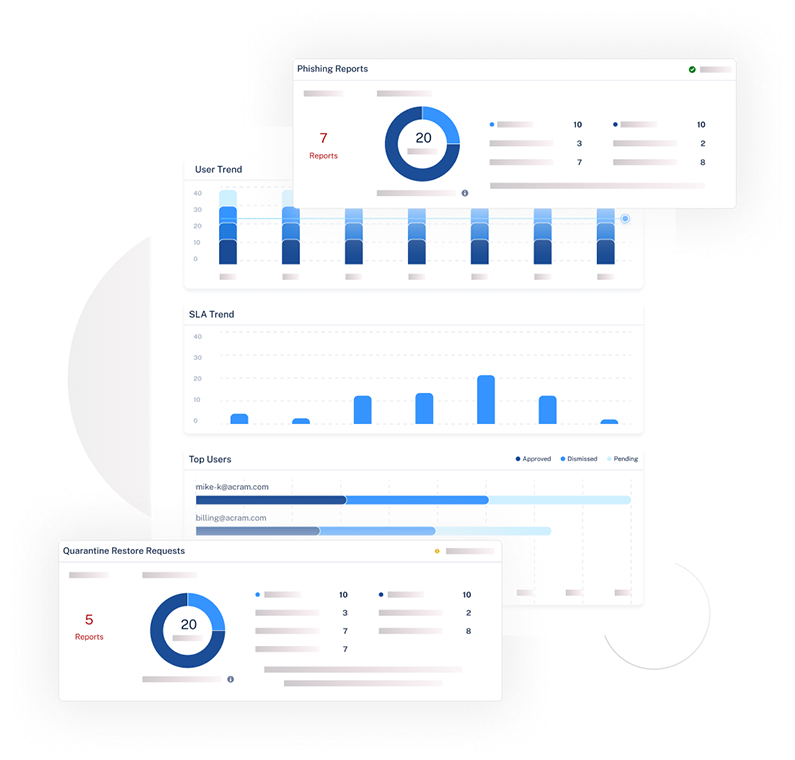
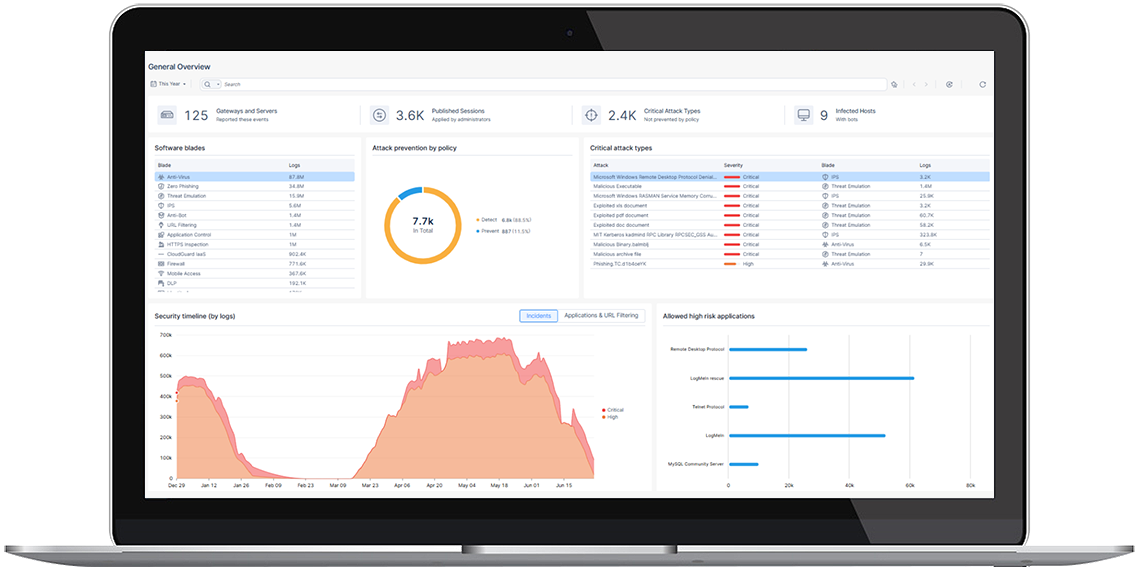
Provides comprehensive logging and analytics for threat insights and compliance reporting.
What Reviewers Say AI-synthesized from 91 reviews
What works well
- Strong protection against web application attacks with high catch rate
- Ease of management and unified policy control
- AI-powered threat detection reduces false positives
Common concerns
- Pricing may be higher compared to some competitors
- Initial configuration can be complex for non-experts
Reviews
91 verified reviewsReviewer Demographics
Top Industries
No data available
Company Size
No data available
Enterprise Readiness
Identity & Access
Data Security
SLA & Availability
Compliance & Portability
Integrations
AWS
Deploy WAF as a gateway in AWS VPC to protect web applications in the cloud.
Microsoft Azure
Integrate with Azure Virtual WAN for cloud-native security in Microsoft's cloud.
Google Cloud
Protect workloads hosted on GCP with advanced threat prevention.
Kubernetes
Secure containerized web applications with WAF policies through Kubernetes ingress.
Splunk
Forward WAF logs to Splunk for centralized monitoring and analysis.
ServiceNow
Automate incident creation and workflows by sending security alerts to ServiceNow.
Okta
Integrate with Okta for single sign-on and identity-based access controls.
PagerDuty
Trigger incident response and on-call notifications based on WAF alerts.
Governance & Compliance
EU AI Act
No data available
Data Processing Agreement
Standard Contractual Clauses DPA available
Sub-processors
Fully disclosed
Right to Erasure
✓ Supported
Change Notifications
True
NIST AI RMF
No data available
AiDOOS Managed Deployment
Deploy Check Point WAF (formerly CloudGuard WAF) in 72 hours
AiDOOS handles setup, CRM integration, SSO config, and user provisioning. Your team goes live — not your IT department.
Prerequisites
- Valid Check Point license for WAF
- Network access to configure the WAF
- Admin credentials for the target environment
Configuration Options
- Deployment mode: bridge or transparent
- Logging and alerting integrations
- Policy rulesets from templates
How Check Point WAF (formerly CloudGuard WAF) Compares
| Product | AI & Analytics | Ease of Use | Enterprise Features | Pricing | Integrations | Mobile Experience | Quick Setup | Customer Support | Rating | Price/mo |
|---|---|---|---|---|---|---|---|---|---|---|
|
C
Check Point WAF (formerly CloudGuard WAF) This product
|
Good | Good | Excellent | Fair | Good | Poor | Good | Excellent | ★ 4.3 | Custom |
|
AW
Amazon Web Services (AWS) WAF
|
Good | Good | Fair | Excellent | Excellent | Poor | Excellent | Good | — | Custom |
|
CF
Cloudflare WAF
|
Good | Excellent | Good | Good | Excellent | Good | Excellent | Good | — | Custom |
|
IM
Imperva WAF
|
Good | Fair | Excellent | Fair | Good | Poor | Fair | Good | — | Custom |
A Virtual Delivery Center for Check Point WAF (formerly CloudGuard WAF)
Pre-vetted experts and AI agents in the loop, assembled as a delivery pod. Pay in Delivery Units — universal pricing across roles, seniority, and tech stacks. No hiring, no contracting, no procurement cycle.
- Plans from $2,000 — Starter Pack, 10 Delivery Units, 90 days
- Refundable on unused Delivery Units, anytime — no questions asked
- Re-delivery guarantee on acceptance miss
- Pre-flight delivery sizing — you see the plan before you commit
How a Virtual Delivery Center delivers Check Point WAF (formerly CloudGuard WAF)
Outcome-based delivery via AiDOOS’s VDC model. Why VDC vs traditional consulting? →
Outcome-Based
Pay for results, not hours
Milestone-Driven
Clear deliverables at each phase
Expert Network
Access to certified specialists