 ★ 4.5 · 42 reviews
Calico
Control and visibility for every AI workload and agent
About Calico
Calico is a comprehensive Kubernetes networking and security platform developed by Tigera, designed to secure and manage cloud-native workloads across any environment. It provides a unified management plane for networking, network security, and observability, combining open-source technologies like Calico Open Source, Istio, Envoy, and eBPF. Calico delivers consistent enforcement, governance at scale, and operational efficiency for platform engineering teams. Its core capabilities include identity-aware microsegmentation, egress access controls, DNS policies, and compliance reporting. Calico supports multiple Kubernetes distributions including EKS, GKE, AKS, and OpenShift, ensuring portability and avoiding vendor lock-in. With features like zero-trust workload security and AI agent security through Lynx, Calico helps organizations reduce risk, limit blast radius, and achieve continuous compliance. AiDOOS enhances Calico deployment by offering a managed platform that simplifies installation, scaling, and integration with existing CI/CD pipelines, reducing operational overhead and enabling faster adoption of Kubernetes security best practices. Calico is trusted by enterprises such as NVIDIA, RBC, and Bloomberg, and is proven at scale with over eight million nodes and one million clusters.
Challenges It Solves
- Managing complex Kubernetes networking and security with multiple disjointed tools
- Preventing lateral movement and microsegmentation within clusters
- Securing egress traffic and preventing data exfiltration
- Achieving and maintaining compliance across Kubernetes environments
Screenshots
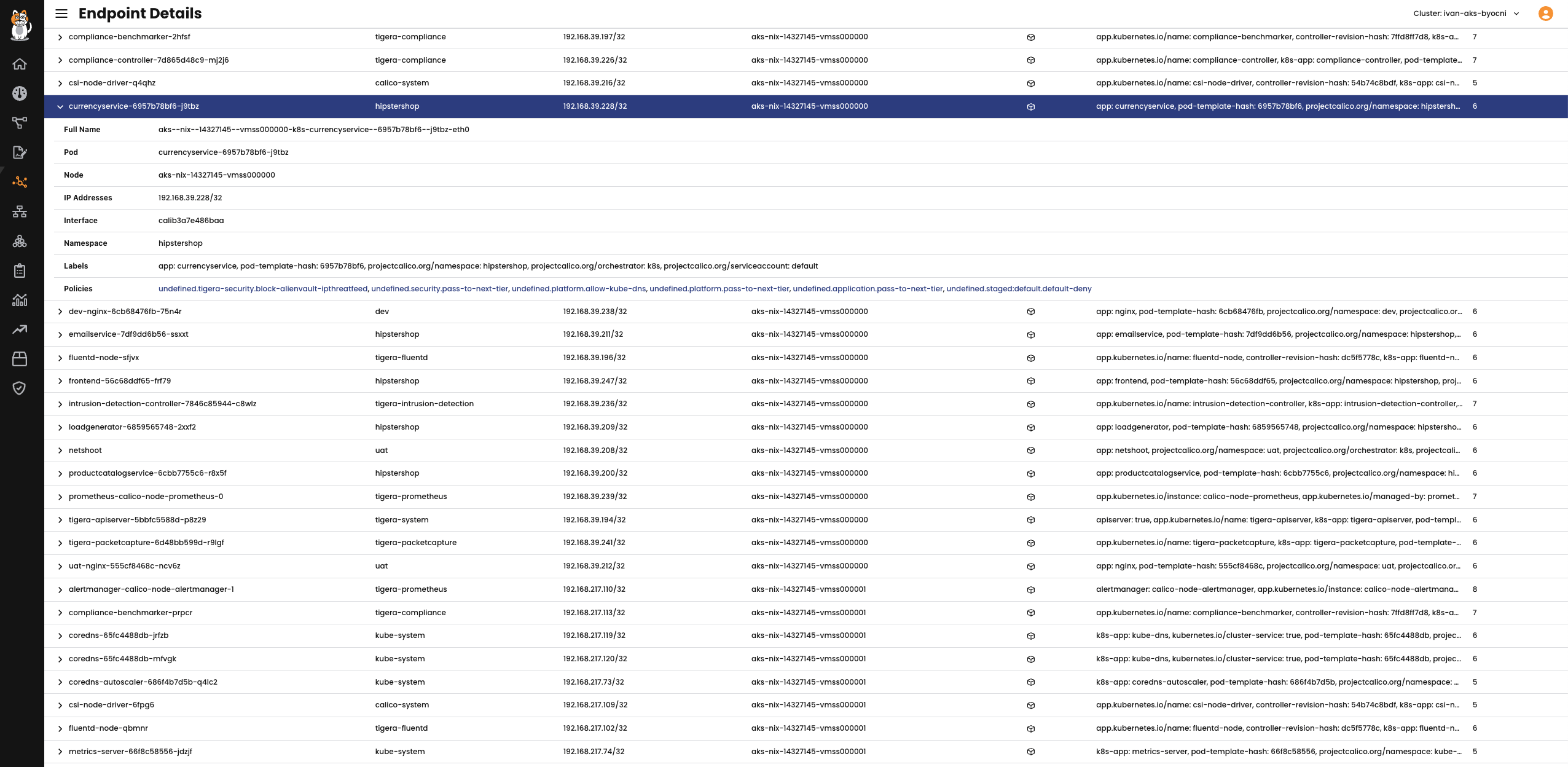
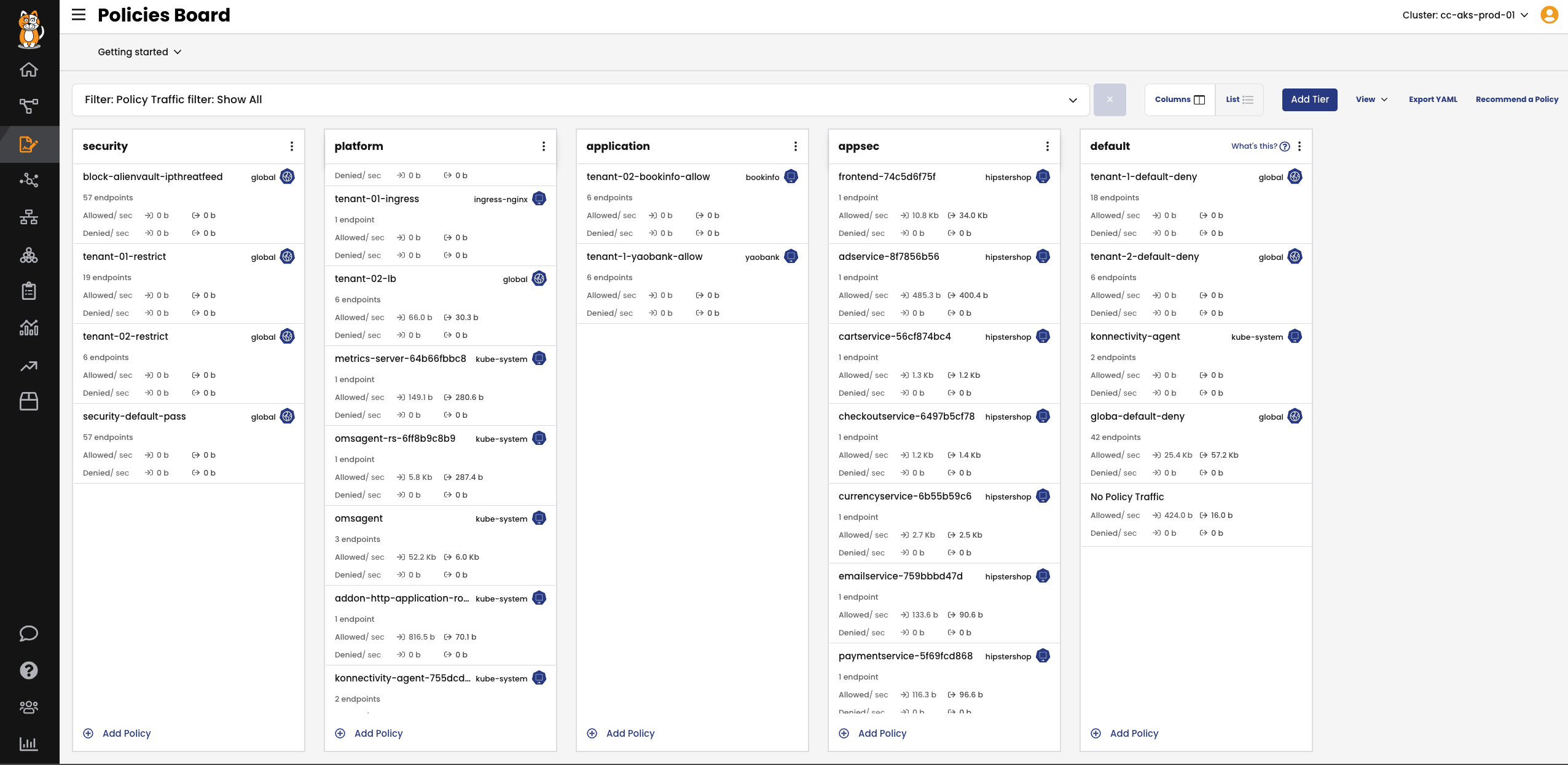
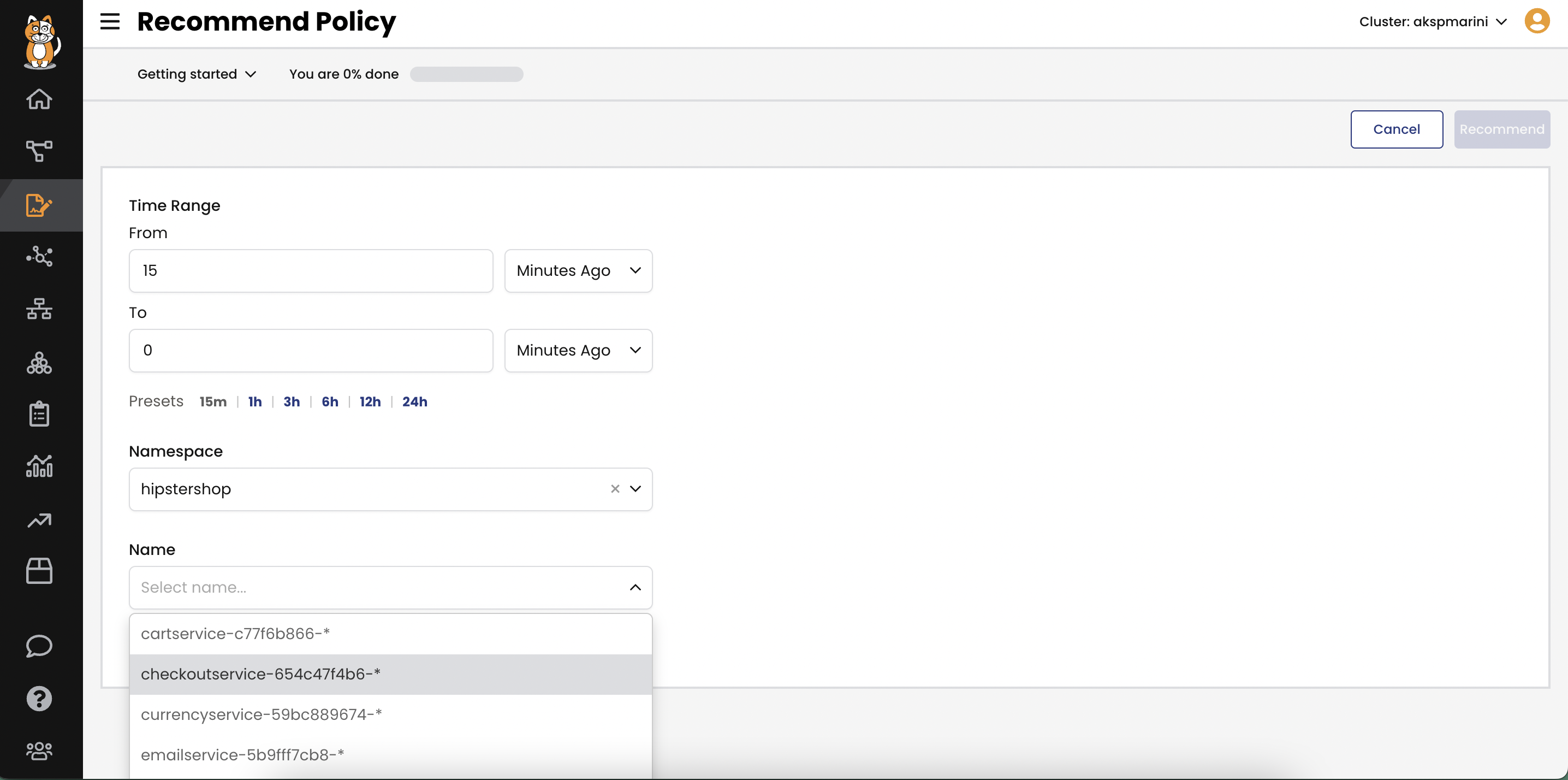
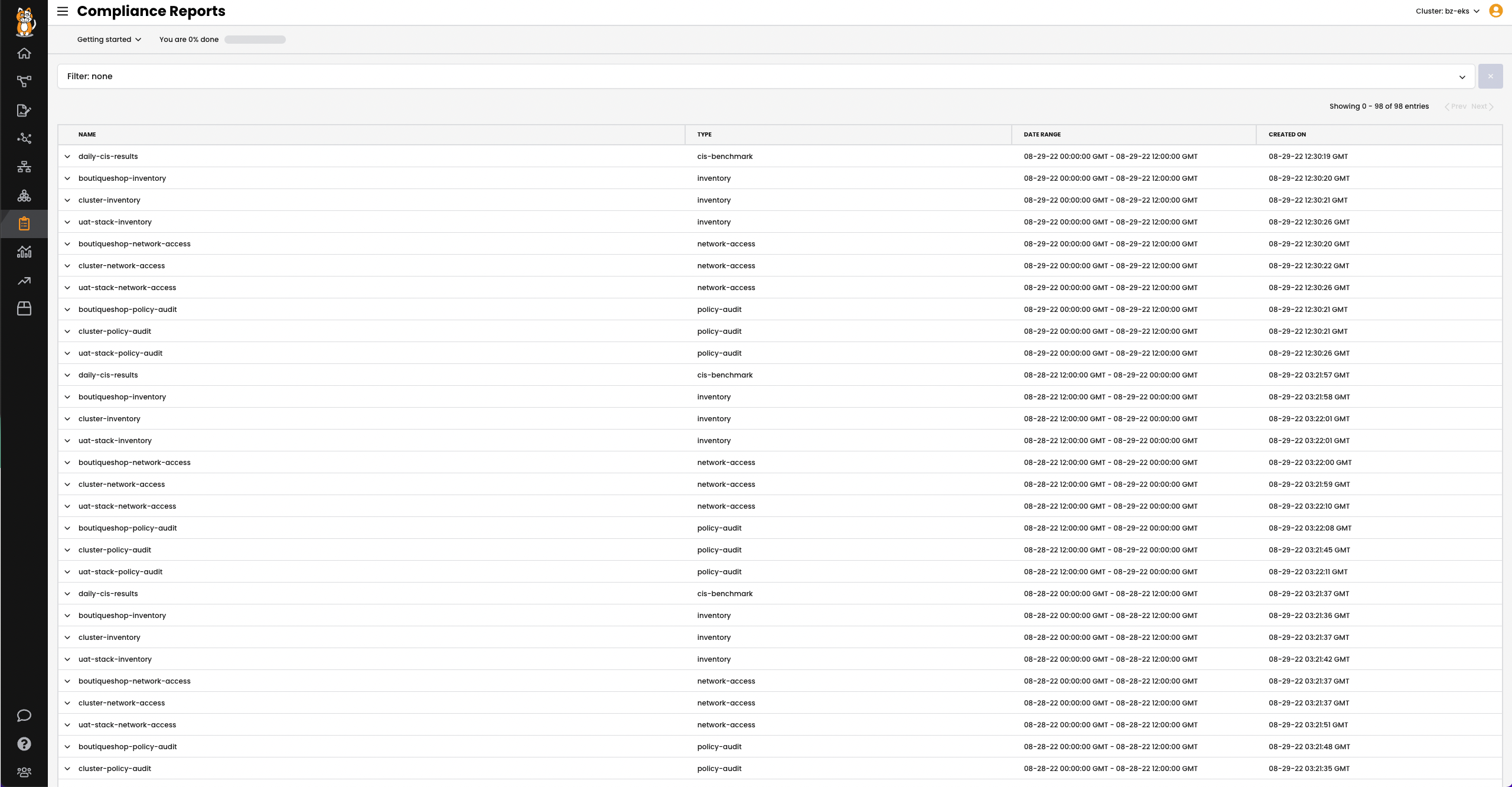
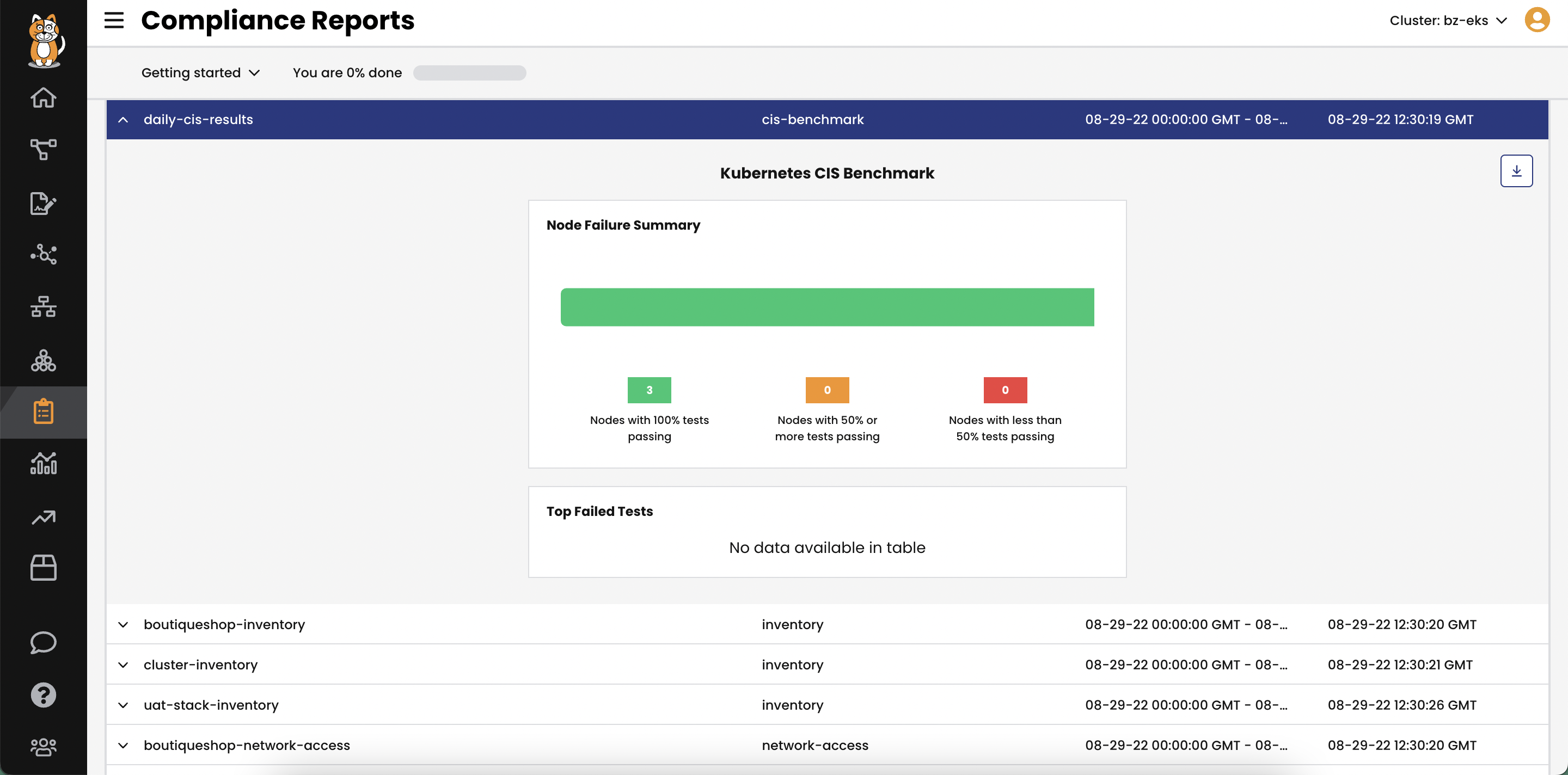
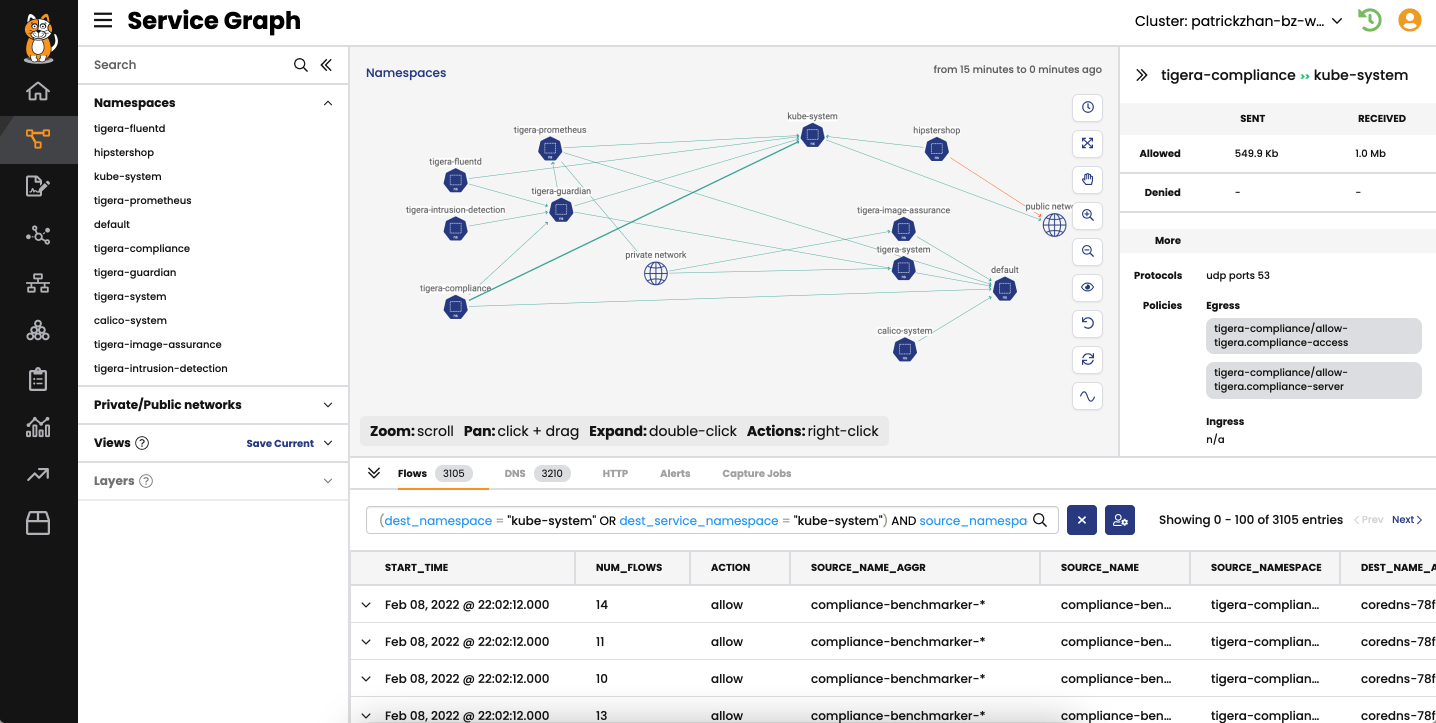
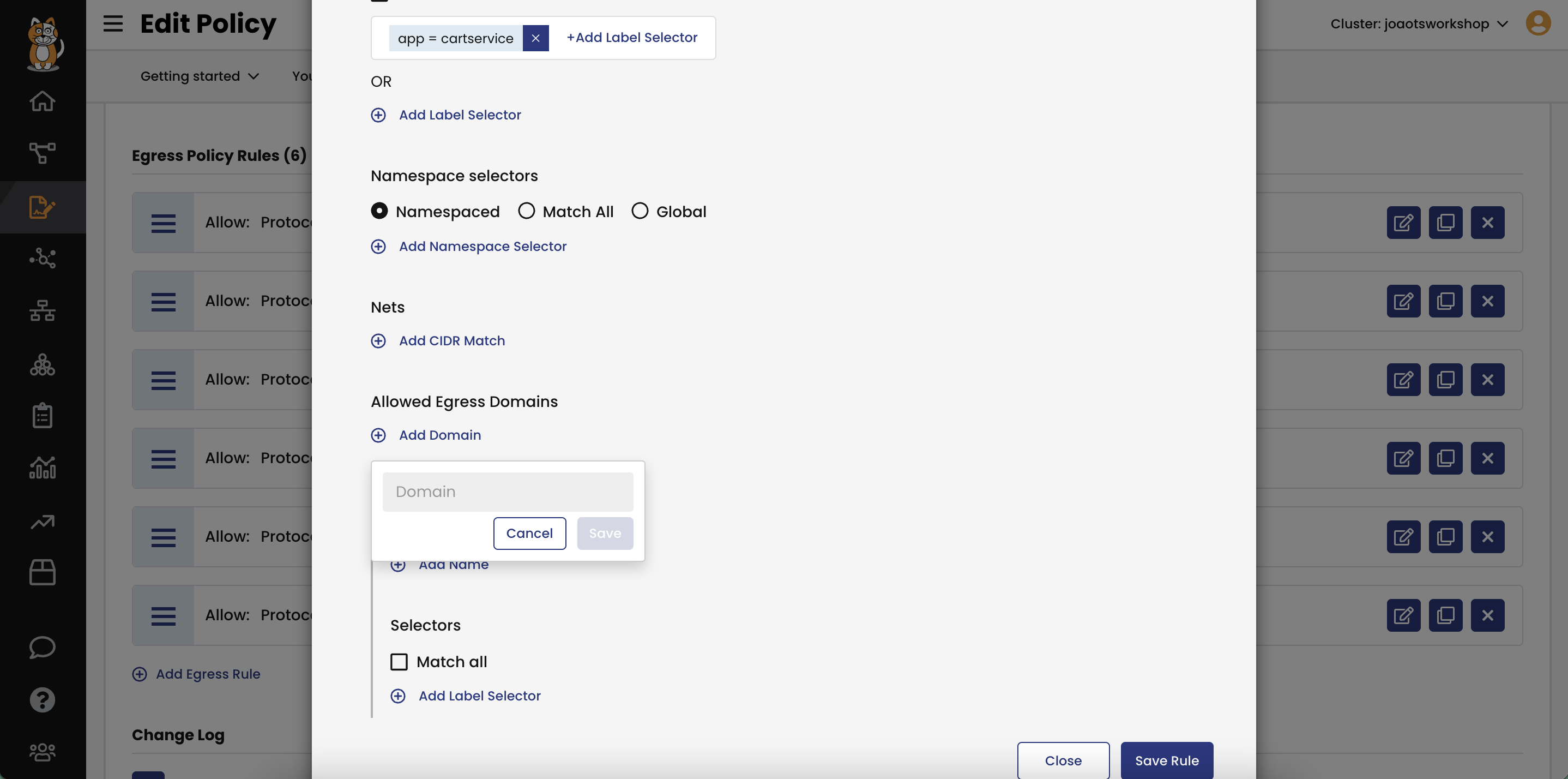
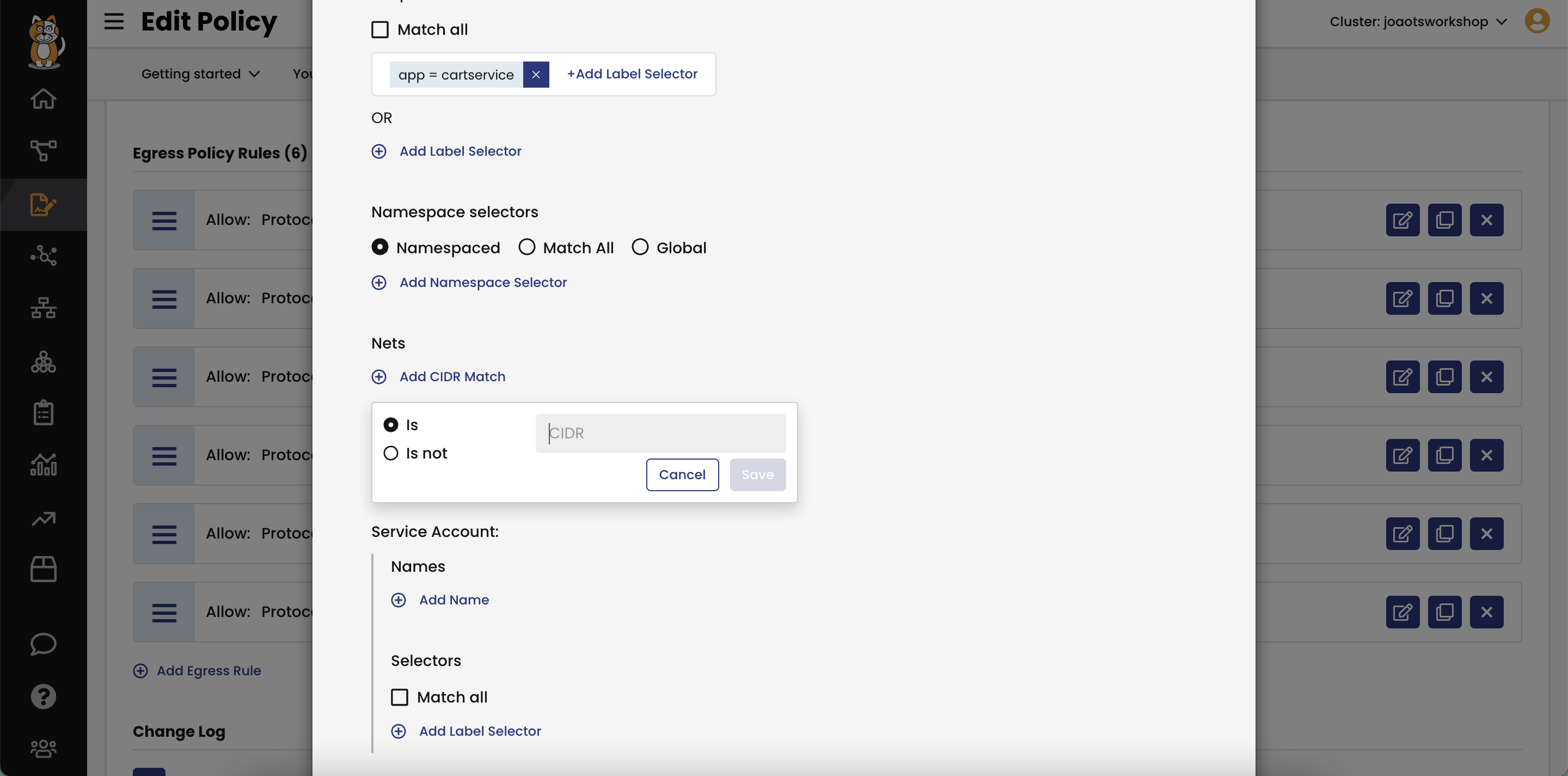
Use Cases
Kubernetes Networking Security
Secure and manage communication between workloads and external services with fine-grained policies.
Zero-Trust Workload Access
Implement zero-trust principles to control workload access, reducing attack surface.
AI Agent Security
Discover and secure AI agents running on Kubernetes, enforcing authorization and audit trail.
Compliance Management
Achieve continuous compliance with automated reports and policy-as-code.
Pricing
Custom pricing — built for your team
Calico pricing is tailored to your organisation's size, integrations, and requirements. AiDOOS generates your proposal instantly — scoped & ready in seconds.
Key Features
Provides networking for Kubernetes clusters, including pod-to-pod communication, ingress/egress control, and multi-cluster connectivity.
Enforces zero-trust security policies, microsegmentation, DNS policies, and egress access controls.
Delivers comprehensive visibility into workload communication, including flow logs, and integration with Prometheus and other monitoring tools.
Automates compliance reporting for PCI DSS, SOC 2, HIPAA, GDPR, NIST, and custom frameworks, with audit-ready reports.
Enforces workload-level segmentation based on workload identities, labels, and namespaces.
What Reviewers Say AI-synthesized from 42 reviews
What works well
- Provides unified networking and security for Kubernetes, simplifying operations.
- Strong microsegmentation capabilities to limit lateral movement.
- Supports multiple Kubernetes distributions, avoiding vendor lock-in.
Common concerns
- Pricing can be complex, based on usage (vCPU hours) and may be costly for large clusters.
- Learning curve for teams unfamiliar with Kubernetes network policies.
Reviews
42 verified reviewsEnterprise Readiness
Identity & Access
Data Security
SLA & Availability
Compliance & Portability
Integrations
AWS EKS
Amazon Elastic Kubernetes Service (EKS) integration for deploying and managing Kubernetes clusters with Calico.
Azure AKS
Azure Kubernetes Service (AKS) integration for managing Kubernetes clusters with Calico's networking and security features.
Google GKE
Google Kubernetes Engine (GKE) integration for applying Calico network policies and security controls.
Istio
Integration with Istio service mesh for unified security and observability across Kubernetes workloads.
Envoy
Integration with Envoy proxy for advanced traffic management and security policy enforcement.
Prometheus
Integration with Prometheus for monitoring Calico's metrics and generating alerts.
Red Hat OpenShift
Integration with Red Hat OpenShift for running Calico in OpenShift environments.
SUSE Rancher
Integration with Rancher for managing Kubernetes clusters with Calico.
Governance & Compliance
EU AI Act
No data available
Data Processing Agreement
No data available
Sub-processors
No data available
Right to Erasure
No data available
Change Notifications
No data available
NIST AI RMF
No data available
AiDOOS Managed Deployment
Deploy Calico in 72 hours
AiDOOS handles setup, CRM integration, SSO config, and user provisioning. Your team goes live — not your IT department.
Prerequisites
- Kubernetes cluster
- Access to cloud provider credentials
- Network policies management permissions
Configuration Options
- Calico Cloud SaaS
- Calico Enterprise self-managed
- Open source Calico
How Calico Compares
| Product | AI & Analytics | Ease of Use | Enterprise Features | Pricing | Integrations | Mobile Experience | Quick Setup | Customer Support | Rating | Price/mo |
|---|---|---|---|---|---|---|---|---|---|---|
|
C
Calico This product
|
Good | Good | Excellent | Fair | Good | Poor | Moderate | Good | ★ 4.5 | $Custom/user |
|
CI
Cilium
|
Good | Good | Good | Excellent | Good | Poor | Good | Good | — | $Custom/user |
|
WS
Weave Scope
|
Fair | Good | Fair | Excellent | Fair | Poor | Good | Fair | — | $Custom/user |
|
NS
NSX-T
|
Good | Fair | Excellent | Poor | Good | Poor | Poor | Good | — | $Custom/user |
A Virtual Delivery Center for Calico
Pre-vetted experts and AI agents in the loop, assembled as a delivery pod. Pay in Delivery Units — universal pricing across roles, seniority, and tech stacks. No hiring, no contracting, no procurement cycle.
- Plans from $2,000 — Starter Pack, 10 Delivery Units, 90 days
- Refundable on unused Delivery Units, anytime — no questions asked
- Re-delivery guarantee on acceptance miss
- Pre-flight delivery sizing — you see the plan before you commit
How a Virtual Delivery Center delivers Calico
Outcome-based delivery via AiDOOS’s VDC model. Why VDC vs traditional consulting? →
Outcome-Based
Pay for results, not hours
Milestone-Driven
Clear deliverables at each phase
Expert Network
Access to certified specialists