
Looking to implement or upgrade Gesture Recognition Toolkit?
Schedule a Meeting
Machine Learning

Gesture Recognition Toolkit

Real-time gesture recognition powered by open-source machine learning

Category
Software
Ideal For
Technology Companies
Deployment
On-premise
Integrations
None+ Apps
Security
Open-source code review, customizable security implementation, no built-in data transmission
API Access
Yes - C++ API with extensive customization capabilities

About Gesture Recognition Toolkit

The Gesture Recognition Toolkit (GRT) is a powerful, open-source C++ machine learning library engineered for real-time gesture recognition across diverse platforms and applications. GRT enables developers to build intelligent gesture-based interfaces by providing pre-trained models, classification algorithms, and training pipelines that can be customized for specific use cases. The toolkit supports multiple input modalities including accelerometer data, depth sensors, and motion capture systems, making it versatile for applications ranging from AR/VR environments to robotics and accessibility solutions. By leveraging GRT through AiDOOS, organizations gain access to streamlined deployment infrastructure, simplified integration workflows, and optimization services that accelerate time-to-market. AiDOOS enhances GRT's value through managed infrastructure, version control, collaborative development environments, and expert governance—allowing teams to focus on innovation rather than backend complexity. The cross-platform compatibility ensures seamless deployment across Windows, macOS, and Linux environments.

Challenges It Solves

  • Integrating gesture recognition without complex machine learning expertise or lengthy development cycles
  • Achieving real-time performance while maintaining accuracy across diverse hardware platforms
  • Customizing gesture models for domain-specific applications and unique user behaviors
  • Managing scalability and deployment consistency across multiple production environments

Proven Results

64
Faster gesture recognition model development and deployment
48
Reduced computational overhead with optimized real-time processing
35
Enhanced user experience through customizable gesture frameworks

Key Features

Core capabilities at a glance

Real-Time Gesture Classification

Instant recognition with minimal latency

Sub-100ms gesture recognition response times

Cross-Platform C++ Library

Deploy anywhere with consistent performance

Compatible with Windows, macOS, Linux, and embedded systems

Customizable Machine Learning Pipelines

Train models tailored to your gestures

Support for multiple classification algorithms and feature extraction methods

Multi-Modal Input Support

Recognize gestures from diverse sensor types

Accelerometer, gyroscope, depth sensor, and motion capture integration

Open-Source Architecture

Full transparency and community-driven development

Extensive documentation, active GitHub repository, and academic backing

Ready to implement Gesture Recognition Toolkit for your organization?

Real-World Use Cases

See how organizations drive results

AR/VR Application Control
Enable intuitive gesture-based interaction in augmented and virtual reality environments, allowing users to control applications through hand gestures and body movements without external controllers.
78
Immersive user experiences with gesture-based navigation
Robotics and Autonomous Systems
Implement gesture recognition for human-robot interaction, enabling operators to command robotic systems through natural hand signals and body movements for safer, more intuitive control.
62
Improved human-robot collaboration and safety protocols
Accessibility and Assistive Technology
Develop assistive applications that recognize gestures from individuals with mobility challenges, enabling control of devices, communication systems, and smart home environments through customizable gesture inputs.
71
Enhanced independence and accessibility for users
Motion-Based Gaming
Create immersive gaming experiences where player movements and gestures drive game mechanics, eliminating the need for traditional controllers and increasing physical engagement.
58
Higher engagement and natural gameplay interaction

Integrations

Seamlessly connect with your tech ecosystem

O

OpenCV

Explore

Computer vision capabilities for visual gesture recognition and image processing pipelines

T

TensorFlow

Explore

Deep learning model integration for advanced neural network-based gesture classification

R

ROS (Robot Operating System)

Explore

Seamless integration for robotics applications and autonomous system control

U

Unity Game Engine

Explore

Native support for gesture-based interaction in game development projects

U

Unreal Engine

Explore

Integration for real-time gesture recognition in enterprise and gaming applications

Q

Qt Framework

Explore

Cross-platform GUI development with integrated gesture recognition capabilities

Implementation with AiDOOS

Outcome-based delivery with expert support

Outcome-Based

Pay for results, not hours

Milestone-Driven

Clear deliverables at each phase

Expert Network

Access to certified specialists

Implementation Timeline

1
Discover
Requirements & assessment
2
Integrate
Setup & data migration
3
Validate
Testing & security audit
4
Rollout
Deployment & training
5
Optimize
Performance tuning

See how it works for your team

Alternatives & Comparisons

Find the right fit for your needs

Capability Gesture Recognition Toolkit Pilot AI CalypsoAI Vespr Clodura.AI
Customization Excellent Excellent Good Good
Ease of Use Good Excellent Good Good
Enterprise Features Fair Excellent Excellent Excellent
Pricing Excellent Fair Fair Fair
Integration Ecosystem Good Excellent Good Good
Mobile Experience Fair Good Fair Fair
AI & Analytics Good Excellent Excellent Excellent
Quick Setup Fair Excellent Good Good

Similar Products

Explore related solutions
Pilot AI

Pilot AI

Pilot AI: Accelerate Computer Vision with Seamless Neural Network Integration Pilot AI is a powerfu…

Explore
CalypsoAI Vespr

CalypsoAI Vespr

CalypsoAI Vespr: Empowering Teams to Validate, Monitor, and Secure AI CalypsoAI Vespr is a cutting-…

Explore
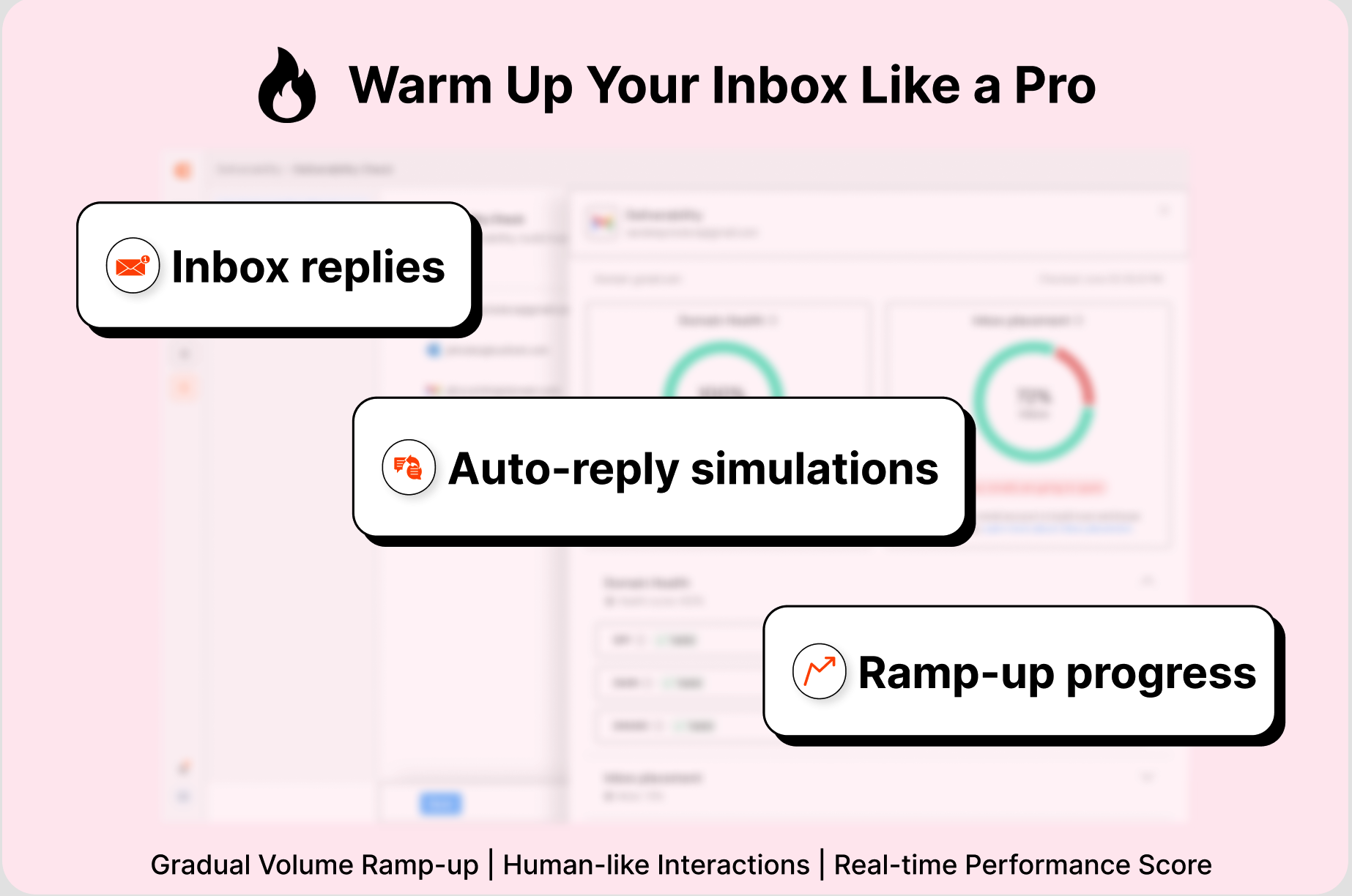
Clodura.AI

Clodura.AI

Accelerate Your Sales Pipeline with Clodura.AI Clodura.AI is a next-generation, GenAI-powered sales…

Explore

Frequently Asked Questions

What programming experience is required to use GRT?
GRT requires C++ proficiency for core development, but AiDOOS provides managed deployment and integration support, reducing the technical barrier and accelerating implementation for teams.
Can GRT recognize custom gestures specific to my application?
Yes, GRT is purpose-built for customization. The training pipeline allows you to collect gesture data and train models tailored to your specific use case. AiDOOS provides infrastructure to manage training pipelines and model versioning.
What are the hardware requirements for running GRT?
GRT runs on modest hardware from Raspberry Pi to enterprise servers. Real-time performance depends on gesture complexity and sensor data rate. AiDOOS optimization services help identify ideal deployment configurations.
Is GRT suitable for production environments?
Yes, GRT is production-ready with proper testing and integration. AiDOOS provides managed infrastructure, monitoring, and governance tools to ensure reliable production deployments at scale.
How does GRT handle multiple simultaneous users or gestures?
GRT can process multiple input streams independently. Scalability for multi-user scenarios depends on your infrastructure. AiDOOS enables horizontal scaling and load balancing for enterprise deployments.
What sensors does GRT support?
GRT supports accelerometers, gyroscopes, depth sensors, motion capture systems, and any numeric time-series sensor data. The toolkit's flexibility allows integration with custom sensor hardware through AiDOOS managed pipelines.